

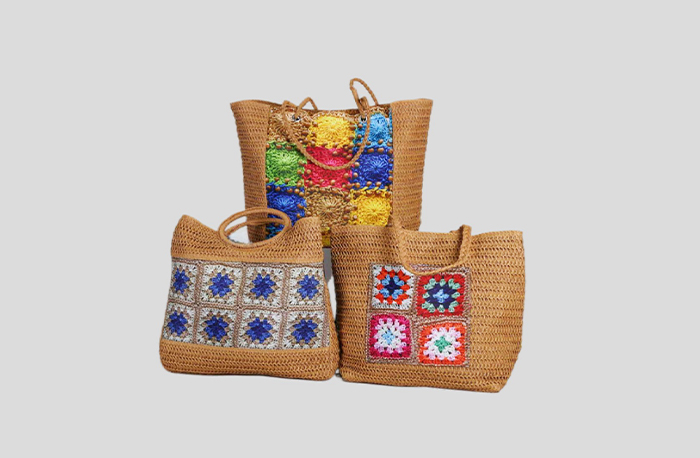

Demand for sustainable, artisanal accessories is soaring. Original Equipment Manufacturing (OEM) brings your unique brand vision to life by building custom products to your exact specifications. Partnering with a reliable supplier is vital. This guide explains the step-by-step OEM process for custom crochet bags.
Understanding OEM Manufacturing for Custom Crochet Bags
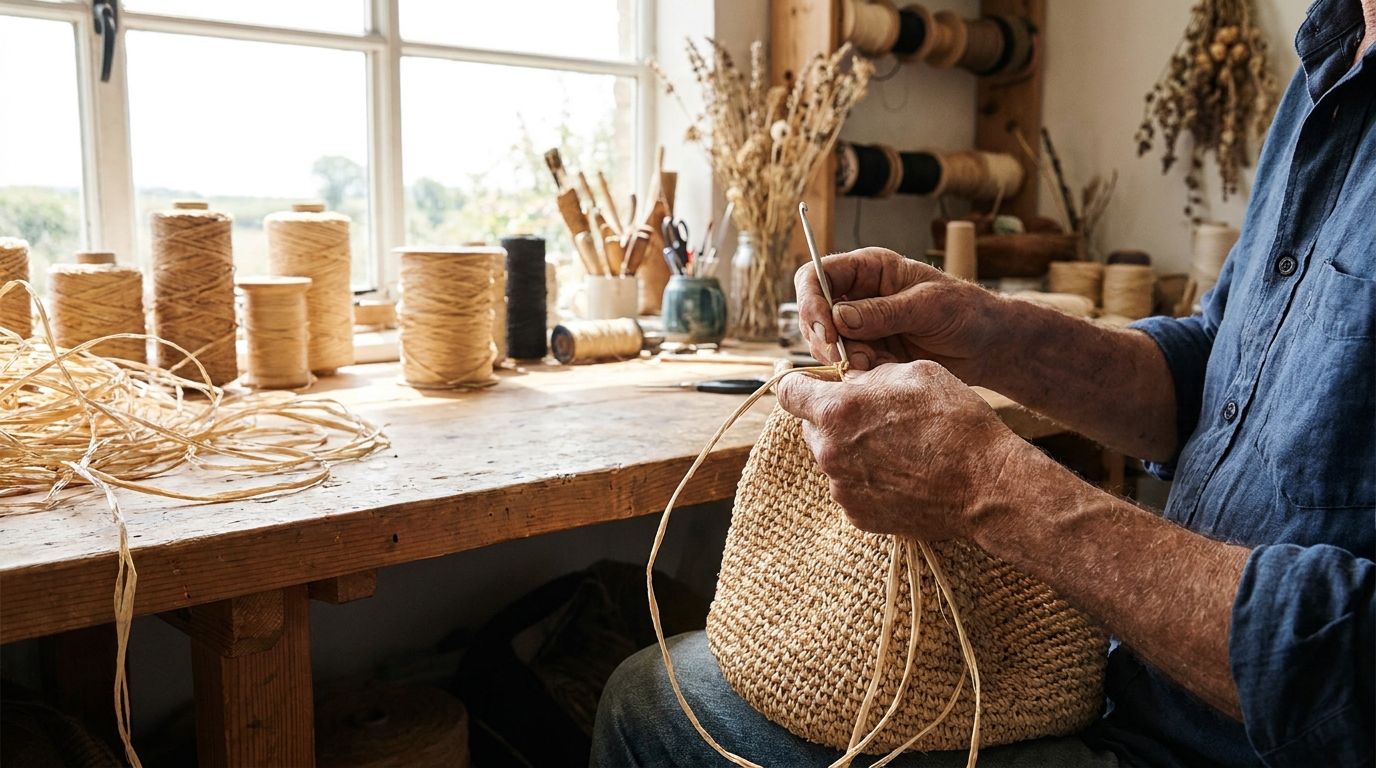
When sourcing a custom crochet bag, you will encounter two main manufacturing models: OEM and ODM. OEM (Original Equipment Manufacturing) means the factory produces bags entirely based on your unique designs. In contrast, ODM (Original Design Manufacturing) involves branding pre-existing factory designs, often called white-labeling. OEM is ideal for brands wanting exclusive products.
Choosing an OEM crochet bag supplier gives your brand complete creative control. You dictate the exact dimensions, shapes, and structural details, while selecting specific eco-friendly materials like high-colorfastness paper rope, natural raffia, or recycled PP. OEM also allows for highly customized branding elements, incorporating techniques like embroidery, metal plates, or PU embossing directly into the manufacturing process.
Scaling Handmade Craftsmanship
Scaling handmade products requires a delicate balance of traditional skill and modern efficiency. Crochet and braided techniques rely heavily on human expertise. Artisans with over 20 years of experience ensure uniform tension and flawless patterns. However, scaling these handcrafted elements requires specialized machinery for finishing. Advanced computerized sewing machines precisely attach linings, zippers, and hardware. This combination of artisan mastery and machine precision guarantees durability across large production runs.
Core Phases of the OEM Journey
The OEM journey follows a structured path to turn your concept into a retail-ready product, ensuring quality and consistency at every stage:
- Concept and Consultation: Aligning on materials, hardware, and design feasibility.
- Prototyping: Creating physical samples to verify texture, size, and craftsmanship.
- Bulk Production: Executing the design at scale using skilled crocheting and machine sewing.
- Quality Inspection: Implementing a rigorous 100% check of dimensions, thread ends, and shape.
- Global Logistics: Packaging the approved bags securely and managing delivery to your warehouse.
Step 1: Requirement Communication and Consultation
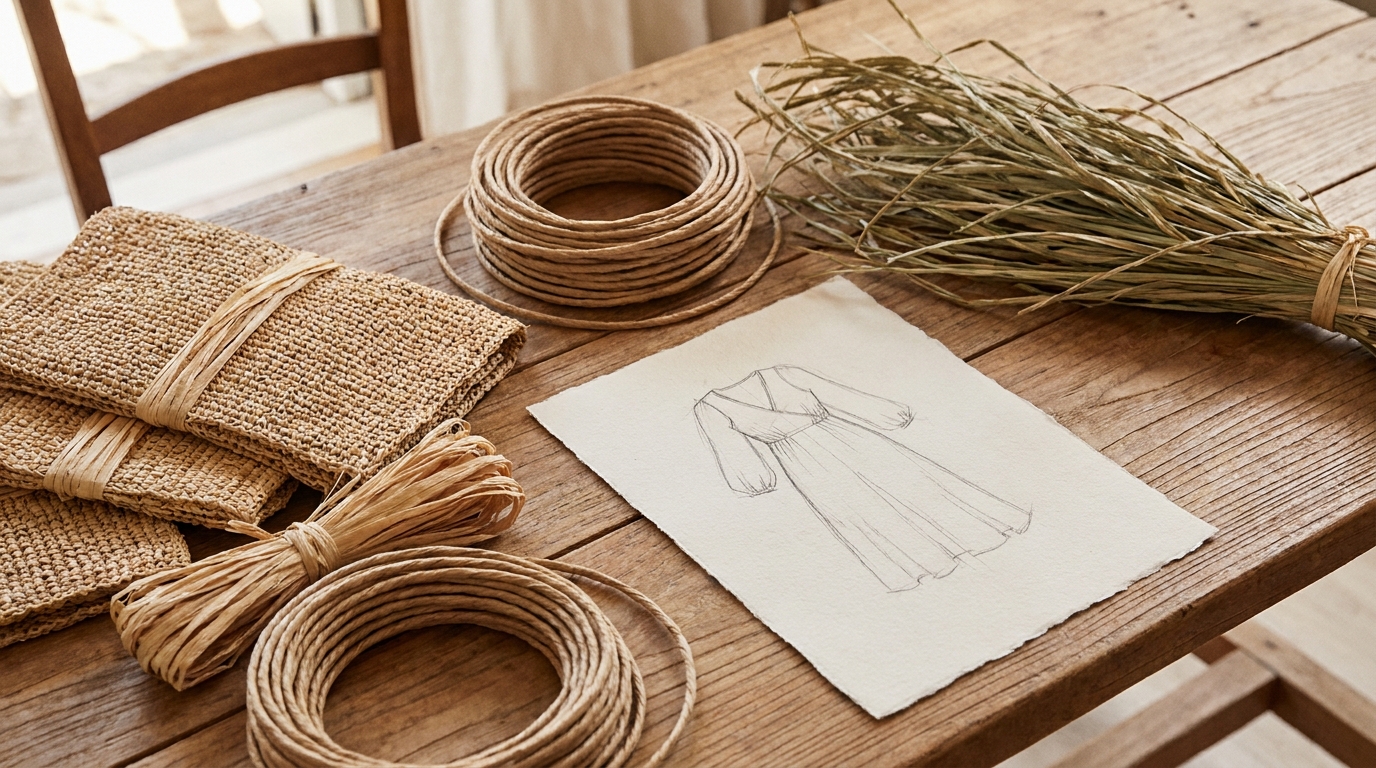
The OEM journey begins with your vision. You do not need a perfect blueprint to start; a complete tech pack, a rough sketch, or a simple mood board works well. Our experts review these initial ideas to understand your specific goals.
Next, we consult on material selection, as the right material impacts both durability and aesthetics. For vibrant designs, we often suggest high-colorfastness paper rope. If you want a more organic texture, natural raffia is an excellent choice. We also offer seagrass, wheat straw, corn husk, cotton rope, and recycled PP. Each option is carefully chosen for its low environmental impact and renewable nature.
Customizing Logos and Hardware
Branding is crucial for custom crochet bags. We explore various custom logo techniques during this consultation phase. You can choose intricate embroidery for a soft, integrated look, metal plates for a sleek and premium finish, or PU embossing for a durable and classic branding option.
Finally, we discuss trending accessories to define your unique style. The right zippers, linings, and straps elevate the final product. We help you select hardware that matches current market trends, ensuring your custom bag is both structurally sound and highly desirable.
Step 2: Design Confirmation and Quotation
Following the initial consultation, our design team translates your ideas into a working plan. We review the selected materials and custom hardware to balance aesthetic goals with manufacturing practicalities. This tailored solution bridges the gap between your creative vision and the realities of production.
Some intricate crochet patterns look stunning on paper but might lack structural integrity when carrying heavy items. We adjust the design to ensure the bag remains durable. Our experts might recommend specific braiding techniques or reinforced linings to support its intended shape over time. This collaborative step guarantees the final product looks great and functions perfectly.
Establishing MOQs and Transparent Pricing
Once the design is confirmed, we establish the production parameters. Minimum Order Quantities (MOQs) are vital for inventory planning. We offer flexible MOQ options starting from just 300 pieces. This flexibility helps you test the market without overcommitting resources, making it an ideal starting point for both new collections and established retail lines.
Next, we provide a detailed and transparent quotation, breaking down the costs associated with eco-friendly materials, artisan labor, and custom hardware. This clarity ensures that every detail of your handcrafted bag meets your brand’s standards and budget. Transparent pricing eliminates hidden fees and allows you to plan your retail pricing strategy accurately before moving into the prototyping phase.
Step 3: Sample Production (Prototyping)
After you approve the design and quotation, the project moves from paper to a physical product. We bring your custom design to life in our specialized Shandong factory, transforming digital tech packs into tangible prototypes.
We structure our sample production to be accessible and fair. For simple designs, we provide up to five free samples, allowing you to test slight variations in color or size without upfront costs. However, if your bag involves intricate raffia work or necessitates custom molds, we charge a sampling fee to cover the specialized labor and tooling required to build complex prototypes.
Prototyping serves a vital role in the manufacturing process. It gives you the opportunity to physically interact with the product, feel the texture of the eco-friendly materials firsthand, and verify the artisan craftsmanship. You can inspect the structural integrity and hardware placement before committing to a larger order.
Refining the Prototype
The first sample provides a baseline for adjustments. We encourage a collaborative feedback loop during this stage. Once you receive the prototype, evaluate these key factors:
- Material texture and weight: Ensure the eco-friendly fibers meet your aesthetic standards.
- Hardware functionality: Check zippers, magnetic snaps, and custom metal plates for smooth operation.
- Strap drop and comfort: Verify that handles or shoulder straps sit comfortably when the bag is full.
- Stitch consistency: Inspect the seams and linings for precise, uniform sewing.
If the handles need adjusting or the lining requires a different stitch, we make those changes. We refine the prototype until it perfectly aligns with your brand specifications. Only after you grant final approval does the design move into bulk manufacturing.
Step 4: Bulk Manufacturing and Quality Control
Once you grant final prototype approval, bulk production begins. Skilled artisans take over the meticulous work of crafting your bags. Our team brings over 20 years of experience to the factory floor, utilizing specialized crochet or braided techniques depending on your design needs. This hands-on expertise ensures unparalleled skill and attention to detail in every piece.
After the exterior shell is formed, the bags move to the sewing department, where we meticulously incorporate linings, zippers, and custom hardware. We utilize advanced computerized sewing machines to handle these elements. This technology ensures that every stitch is precise and uniform, creating an interior structure that is just as durable as the woven exterior.
Finishing and Shaping
The next phase prepares the bags for their final retail presentation. Certain styles and eco-friendly materials require specific shaping methods. We apply a meticulous ironing technique to set the woven fibers, ensuring each product matches your precise design specifications. This guarantees that every item retains its intended size and form, maintaining aesthetic consistency across the entire bulk order.
Rigorous 100% Quality Inspection
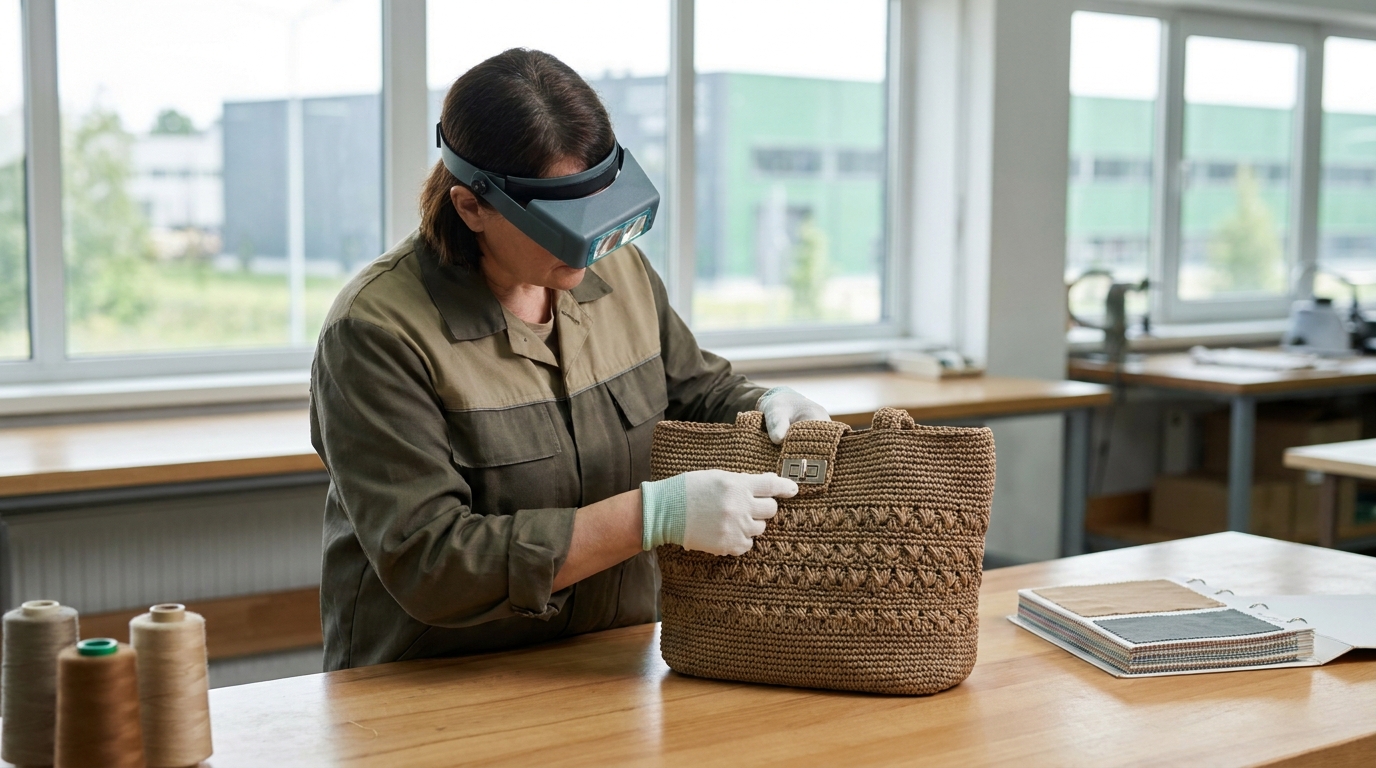
Before any bag is cleared for packing, it undergoes strict evaluation. We implement a rigorous 100% quality control process where every single handmade bag is individually scrutinized by our inspection team. Our quality checks include:
- Thread management: Checking all crochet thread ends for secure fastening and clean trimming.
- Stitch evaluation: Inspecting overall crochet uniformity and computerized sewing quality.
- Dimension verification: Measuring final dimensions and shapes against the approved tech pack.
- Structural integrity: Testing handles, straps, and hardware for lasting durability.
Only after an item passes these stringent inspections can it proceed. If a bag requires minor adjustments, our team corrects it immediately. This strict oversight guarantees that the final product represents true artisanal excellence.
Step 5: Packaging, Storage, and Global Delivery
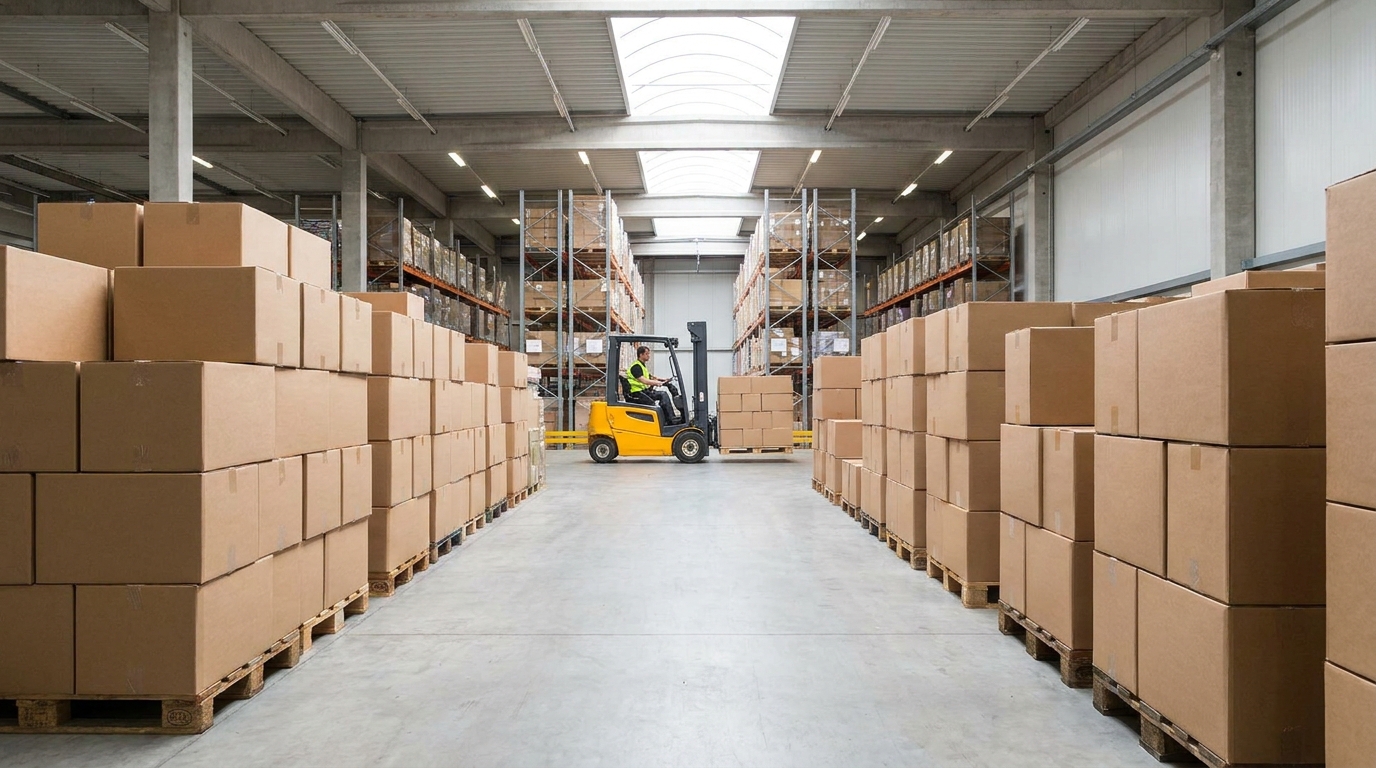
After clearing the strict quality control phase, your custom bags are ready for packaging. We carefully place all approved products into sturdy cardboard boxes. This secure packaging prevents crushing and preserves the carefully ironed shapes achieved during the finishing step.
Proper warehouse storage is just as important as the manufacturing process itself. We securely stack the packed cardboard boxes onto pallets, strictly enforcing a policy where no boxes touch the warehouse floor. Elevating the products protects the eco-friendly materials from potential moisture, dust, or accidental damage while they await shipment.
To maintain the bags in pristine condition, we rely on mechanical handling. Forklifts and pallet jacks move the stacked goods efficiently around the facility, minimizing manual lifting and significantly reducing the risk of mishandling. Using mechanical equipment maximizes product protection from the factory floor directly to the loading dock.
Coordinating Global Logistics
The final step of the OEM process brings your custom collection to your doorstep. We coordinate the entire logistics operation, managing complex shipping requirements to ensure a smooth transition across borders.
We deliver your finished products directly from our manufacturing facility to your designated warehouse anywhere in the world. Whether your timeline requires standard ocean freight or expedited air shipping, we handle the logistical details. This comprehensive service ensures your artisanal accessories arrive safely, allowing you to focus entirely on your brand launch.
The Importance of Eco-Friendly Materials in Crochet Bags
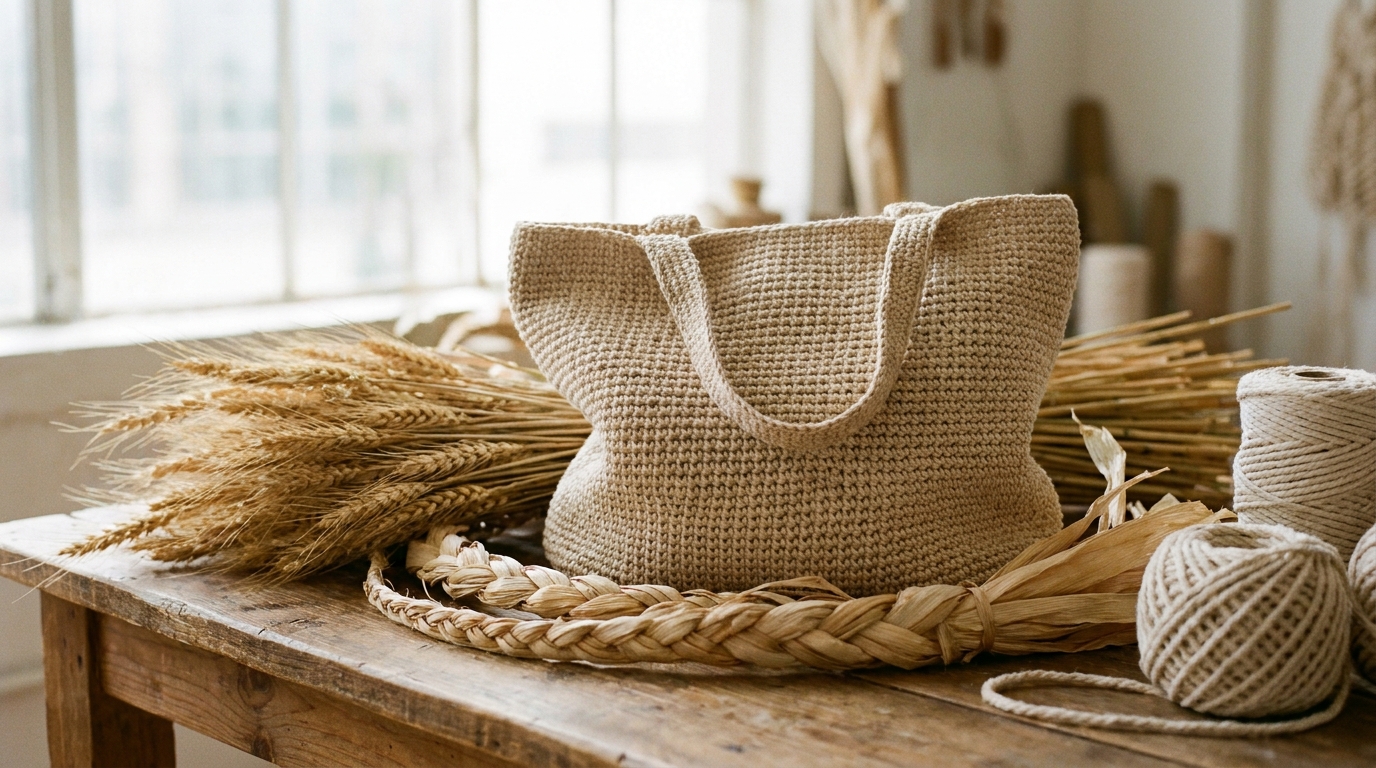
Today’s consumers actively seek out brands that share their environmental values. Modern fashion brands prioritize sustainability to meet this growing demand, and incorporating sustainable practices into your custom product lines builds trust and strengthens brand loyalty.
High-quality OEM production relies heavily on natural and recycled fibers. We exclusively use sustainable options in our creations, including craft paper, raffia, seagrass, wheat straw, corn husk, cotton rope, and recycled PP. Each material offers a unique texture and structural benefit for your custom designs.
Strict Material Selection Criteria
Choosing the right fiber goes beyond visual appeal. We select each material based on three strict environmental criteria:
- Low environmental impact: Processing natural fibers generally requires less water and energy compared to traditional synthetic alternatives.
- Renewable nature: Materials like seagrass, corn husk, and wheat straw grow quickly and replenish naturally without depleting resources.
- Biodegradability: Most of these plant-based fibers will safely break down at the end of their usable lifecycle.
Utilizing these sustainable materials aligns your brand aesthetics with global environmental protection efforts. You do not have to sacrifice durability for sustainability; our eco-friendly materials ensure that your products embody the highest artisanal quality while upholding a firm dedication to protecting the planet.
Frequently Asked Questions About OEM Crochet Bag Manufacturing
What is the minimum order quantity (MOQ) for custom bags?
We offer flexible minimum order quantities to help you test the market effectively. Our MOQs start at just 300 pieces per order, making it perfect for launching new collections or testing a fresh design without overcommitting your brand’s inventory budget.
Can I get a sample before committing to a bulk order?
Yes, prototyping is a required step in our manufacturing process. For simple designs, we provide up to five free samples so you can verify the size, texture, and color. If your design requires intricate raffia work or custom molds, we charge a small sampling fee to cover the specialized labor.
What eco-friendly materials can I choose from?
We exclusively use sustainable, low-impact materials for our custom crochet bags. Your choices include craft paper, natural raffia, seagrass, wheat straw, corn husk, cotton rope, and recycled PP. We select these materials because they are highly renewable, biodegradable, and safe for the environment.
How can I add my brand’s logo to the bags?
You have several reliable options to customize your bags with your unique branding. During the initial design phase, you can choose from techniques like detailed embroidery, sleek metal plates, or classic PU embossing. We help you select the best method to match your specific material and aesthetic.
Are handmade crochet bags durable enough for everyday use?
Absolutely. While the exterior of the bag is carefully crocheted or braided by artisan hands, we ensure its structural strength using modern technology. We use advanced computerized sewing machines to securely attach sturdy linings, zippers, and hardware. This combination of artisan craftsmanship and machine precision guarantees lasting durability.
Conclusion
The five-step OEM manufacturing process, from initial consultation to global delivery, ensures your custom crochet bags feature durability and aesthetic integrity. Partnering with experienced artisans and a structured facility brings your unique vision to life.
- Gather your tech packs or design sketches.
- Contact us at +86 13601456695 for a consultation.
- Request a free quote for your custom manufacturing project.