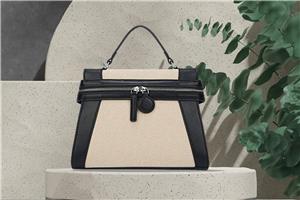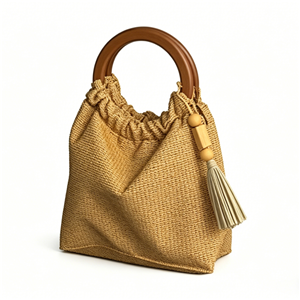
Raffia Bags vs. Straw Bags: The Complete Guide for Wholesale Buyers & Brand Sourcing
When it comes to sourcing natural fiber bags, few decisions matter more than the material you build your product line around. The debate of raffia vs straw has intensified in recent years as global demand for eco-conscious, artisan-crafted accessories continues to surge. Whether you're a boutique buyer, a lifestyle brand, or a retail chain looking to expand into the sustainable accessories category, understanding the real differences between these two materials — in terms of quality, durability, design potential, cost, and certification — is essential before you place your first wholesale order.
This guide breaks down everything you need to know about raffia vs straw, from raw material origins to manufacturing considerations, so your sourcing decisions are backed by data, not guesswork.
What Is Raffia? Origin, Harvest & Natural Properties
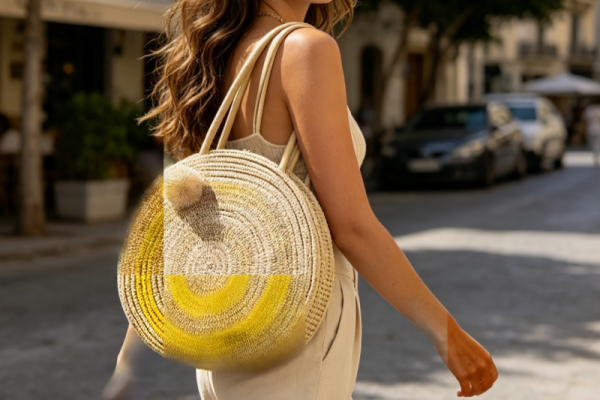
Raffia is a natural fiber derived from the leaves of the Raphia Farinifera palm — commonly known as the raffia palm — which grows primarily in the coastal valleys of Madagascar, as well as parts of Southeast Asia and Central and South America. The very best raffia, widely regarded as the gold standard in the industry, comes from Madagascar, where the climate and soil conditions produce exceptionally long, flexible fiber strands.
The fiber is extracted from the underside of young palm leaves, which are peeled into thin ribbons, then sun-dried and sorted by quality grade. One of raffia's most remarkable natural qualities is the presence of a naturally occurring resin within the fiber, which contributes directly to its suppleness, tensile strength, and longevity. This is not a synthetic treatment — it is intrinsic to the plant itself.
It is important, especially for wholesale buyers, to understand that not all raffia on the market is equal. There are three distinct categories:
Natural raffia — 100% plant-derived fiber from the raffia palm; the highest quality, most durable, and most eco-credible option
Reconstituted raffia — blended from wood pulp and cotton fiber; a mid-range option that mimics the look but lacks the natural properties
Synthetic raffia — plastic-based, often used in gardening or industrial contexts; unsuitable for premium fashion bags
For brands positioning in the premium, luxury, or sustainability-driven market, only natural raffia delivers the authentic credentials and long-term product performance your customers expect. A quality handmade raffia crochet bag made from 100% natural Madagascan raffia will retain its shape, texture, and structural integrity across years of regular use — a fact that directly impacts customer satisfaction, return rates, and brand reputation.
What Is Straw? A Breakdown of Common Straw Types Used in Bag Manufacturing
The term "straw" in the context of fashion bags is often used loosely, and this ambiguity can create sourcing confusion for wholesale buyers. In reality, "straw" encompasses several very different raw materials, each with distinct production characteristics and end-use suitability.
Here are the most common straw types used in bag manufacturing today:
Wheat straw — Derived from dried cereal stalks; thick, rigid, and coarse. Affordable and widely available, but the most brittle of all straw types. Highly susceptible to moisture damage and cracking under regular use.
Paper straw — An engineered material made from tightly twisted kraft or pulp paper yarn, treated for tensile strength. Not a natural plant fiber. Mimics the appearance of straw but is a manufactured product. More water-resistant than natural straw varieties when coated, and considerably cheaper to produce at scale.
Seagrass — A marine plant fiber; stiffer than raffia, with a distinctive green-to-tan coloring. Often used for storage baskets and structured totes. Limited design flexibility compared to raffia.
Rush straw — A light, green-colored natural fiber typically used in inexpensive garden hats. Not commonly associated with fashion-grade bag production.
Milan straw — Often corresponds to a synthetic paper fiber used in traditional Milanese hat weaving. Despite the artisanal name, it is frequently a processed or synthetic material.
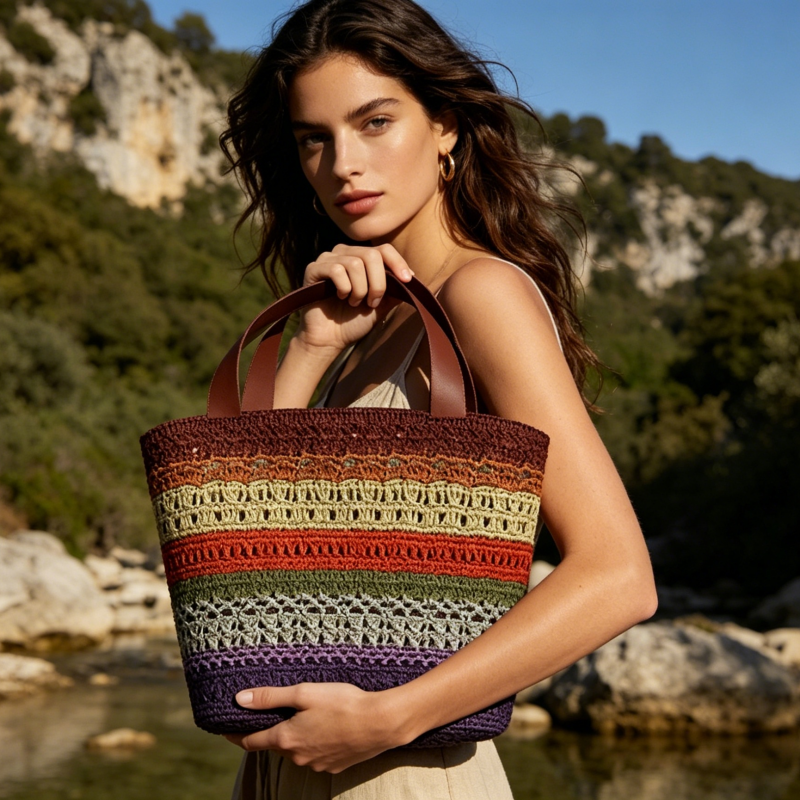
For a straw crochet bag or handmade straw crochet bag, wheat straw and paper straw are the most commonly used variants. Paper straw has seen particularly rapid growth in the past three years due to its consistent sizing, dyeability, and supply chain predictability — advantages that matter greatly to wholesale buyers managing high-volume orders.
Raffia vs Straw: Side-by-Side Comparison
The following comparison table is designed to help brand sourcing teams and wholesale buyers evaluate raffia vs straw across the dimensions that matter most to product development and commercial success.
| Comparison Dimension | Natural Raffia | Paper Straw | Natural Wheat/Seagrass Straw |
|---|---|---|---|
| Source | Raffia palm leaf (Madagascar) | Processed paper pulp/kraft | Dried cereal/plant stalks |
| Texture & Feel | Soft, silky, ribbon-like | Firm, slightly papery | Rough, coarse, rigid |
| Durability | ★★★★★ Excellent | ★★★☆☆ Moderate | ★★☆☆☆ Limited |
| Design Flexibility | Very High — ideal for crochet | Medium — uniform weave | Low — limited shaping |
| Moisture Resistance | Moderate | Moderate–High (if coated) | Low — warps when wet |
| Eco-Friendliness | High — renewable, biodegradable | Medium — depends on sourcing | Medium — agricultural byproduct |
| Certification Compatibility | FSC, GRS, BSCI, Sedex | FSC (if wood pulp sourced) | Limited |
| Price Range (FOB) | Higher | Lower | Lowest |
| MOQ Flexibility | Moderate to High | High | High |
| Luxury Brand Suitability | ★★★★★ | ★★★☆☆ | ★★☆☆☆ |
| Fast Fashion Suitability | ★★★☆☆ | ★★★★★ | ★★★★☆ |
This comparison makes clear that the raffia vs straw decision is not simply a matter of preference — it's a strategic sourcing choice that should align with your brand's positioning, price point, and sustainability commitments.
Durability & Quality: Which Material Holds Up Better for Your Brand?
From a product performance standpoint, natural raffia outperforms all straw alternatives in real-world use. Here's what the data tells us:
Raffia maintains structural integrity under repeated bending and stretching because its fibers have inherent elasticity. The natural resin content means raffia resists fraying at seam points and fold edges — the exact stress zones where cheaper bags fail first. A well-made handmade raffia crochet bag using tight-weave techniques can withstand 3–5 years of regular daily use before showing significant wear.
Paper straw is surprisingly strong in dry conditions. Manufacturers often treat paper yarn with protective sizing agents to improve tensile strength. However, it is fundamentally paper — exposure to sustained moisture (rain, beach humidity, sweat) causes fibers to swell, the weave to loosen, and the bag to lose shape permanently. High-quality paper straw bags treated with water-resistant coatings perform significantly better, but they still trail natural raffia in long-term durability.
Natural wheat/cereal straw is the most fragile. It becomes brittle with age and is the most sensitive to moisture of all three categories. Drop a bag made from natural wheat straw into a puddle and you may find it never fully recovers its shape. For wholesale buyers, this translates into higher customer return rates and more reputational risk, particularly in markets with variable climates.
Key Durability Metrics for Wholesale Buyers:
Return-to-origin rate for raffia bags: typically 2–4%
Return-to-origin rate for uncoated paper straw bags: can reach 8–12% in humid climates
Average lifespan of a quality raffia crochet bag vs. paper straw bag: 3–5 years vs. 1–2 years under equivalent use conditions
For brands building long-term customer loyalty, natural raffia's durability is a meaningful competitive differentiator.
Design Versatility: What Can You Make with Raffia vs Straw?
This is where raffia's superiority becomes most commercially significant. The softness and ribbon-like structure of natural raffia makes it the ideal material for intricate hand-crochet work. Skilled artisans can crochet raffia into complex geometric patterns, open lacework, sculptural 3D forms, and tightly packed dense weaves — a design range that is simply impossible to replicate with rigid straw materials.
A raffia crochet bag can transition effortlessly from beach to boardroom depending on the design direction. The same fiber can produce a chunky bohemian tote, an elegant evening clutch, or a structured cross-body with leather trim — all without changing the raw material. This versatility is what has driven raffia into the collections of luxury fashion houses over the past decade.
Paper straw, by contrast, produces a more uniform and predictable weave. The consistency is an advantage for mass production — every unit looks nearly identical, which is valuable for certain retail contexts — but it limits the ability to create distinctive, artisanal-feeling designs that justify a premium retail price point.
Natural cereal straw is the most rigid and the least design-versatile. It is best suited for structured shapes — a stiff market tote, a round basket bag — but offers craftspeople very little creative latitude. Detailed crochet work is not achievable with natural wheat straw.
For brands seeking a straw crochet bag that carries genuine artisan credentials, paper straw with hand-crochet finishing is an increasingly popular middle-ground option: it combines production consistency with the tactile, handmade quality that drives retail conversions.
Sustainability & Certifications: What Eco-Conscious Brands Need to Know
Sustainability claims in the natural fiber bag market are widespread — and often poorly substantiated. For wholesale buyers whose brand partners or retail accounts require documented eco-credentials, the certification landscape matters enormously.
Natural Raffia — Sustainability Profile:
100% plant-based and biodegradable at end of life
Raffia palm is a soil-stabilizing species in Madagascar — its cultivation actively supports ecosystem health
Responsible harvest protocols recommend taking no more than 30% of a tree's young shoots per cycle, ensuring optimal regrowth
Compatible with FSC (Forest Stewardship Council), GRS (Global Recycled Standard where applicable), BSCI, Sedex, and ISO 9001 certifications
Low water and energy requirements during cultivation and fiber preparation
Paper Straw — Sustainability Profile:
Made from FSC-certified wood pulp when responsibly sourced — a renewable, fast-growing raw material
Manufacturing process consumes less water than raffia cultivation and transport chains
100% cellulose, plastic-free — no microplastic risk
Industrial compostable (where free of synthetic coatings or metal hardware)
Supply chain price stability: paper yarn costs are not subject to seasonal crop yield fluctuations, making budgeting more predictable for wholesale buyers
Cradle-to-cradle recyclable: end-of-life bags can re-enter the paper pulp cycle
For brands building ESG reports or needing supplier documentation for retail chain compliance, both materials can be positioned as sustainable — but raffia's story is richer, more traceable, and carries stronger emotional resonance with premium consumers. Paper straw's strength lies in supply chain efficiency and measurable environmental impact data, which appeals to larger-volume buyers.
Price & MOQ: Cost Considerations for Wholesale Sourcing
Cost is always part of the raffia vs straw conversation, and it deserves honest analysis rather than oversimplification.
Natural Raffia Cost Factors:
Raw material subject to seasonal harvest availability in Madagascar
Hand-crochet labor is skilled and time-intensive — a complex handmade raffia crochet bag may require 8–15 hours of artisan time
Higher FOB unit cost, but justified by premium retail price positioning
MOQ typically starts at 300–500 pieces per style from established manufacturers
Paper Straw Cost Factors:
Paper yarn production is not weather-dependent — consistent supply year-round
Lower raw material cost with stable pricing suitable for long-term contract commitments
Faster production cycles, which reduces lead times
High-volume MOQ flexibility — often 500+ pieces, but unit costs drop significantly at scale
Decision Framework for Wholesale Buyers:
| Brand Positioning | Recommended Material | Expected Retail Markup | Target MOQ |
|---|---|---|---|
| Luxury / Premium | Natural Raffia | 5–8x FOB | 300–500 pcs |
| Contemporary Lifestyle | Raffia or Paper Straw | 4–6x FOB | 300–800 pcs |
| Fast Fashion / Value Retail | Paper Straw | 3–5x FOB | 500–2,000 pcs |
| Sustainable D2C Brand | Natural Raffia (certified) | 5–7x FOB | 300–500 pcs |
Which Material Is Right for Your Brand? A Buyer's Decision Guide
After weighing all the factors above, the raffia vs straw decision ultimately comes down to three strategic questions:
1. What is your brand's price positioning?If you are retailing above $80 for a bag, natural raffia is almost always the right call. The material quality, aesthetic depth, and artisan story support the price point. Below $40, paper straw offers the margin structure you need without compromising on visual appeal.
2. Who is your target consumer?Sustainability-conscious millennials and Gen Z shoppers increasingly research materials before purchasing. Natural raffia carries a more compelling origin narrative. For fashion-first shoppers less focused on provenance, paper straw's clean, consistent aesthetic performs equally well.
3. What certifications do your retail partners require?Major European and US retail chains are tightening their supplier compliance requirements. If your buyers require BSCI, FSC, Sedex, or GRS documentation, source from a manufacturer with pre-existing certifications in place — this saves 3–6 months of audit time and significantly reduces onboarding friction.
Recommended Scenarios:
🏆 Luxury / Contemporary Fashion Brands → Natural raffia, hand-crochet, intricate pattern work, certified supply chain
🌿 Sustainable D2C & Lifestyle Brands → Natural raffia with full FSC/GRS documentation; lead with origin story in marketing
🛍 Mid-Market Retail & Department Stores → Paper straw or blended material; emphasis on color customization and consistent quality
⚡ Fast Fashion & Value Retail → Paper straw at scale; focus on trend-responsive design and short lead times
Why Source Your Raffia & Straw Bags from HandBraid?
Founded in 1994, HandBraid (JIANGSU HOLLY UWILL INTERNATIONAL CO., LTD) is a factory-direct manufacturer with over 30 years of continuous production experience in handmade natural fiber bags and accessories. With more than 1,000 skilled artisans, a production facility exceeding 15,000 m², and an annual output of over 7 million units, HandBraid is one of the few manufacturers capable of serving both niche luxury brands and high-volume retail accounts from a single supply chain.
For wholesale buyers evaluating a raffia crochet bag supplier or straw crochet bag supplier, HandBraid offers a genuinely differentiated capability set:
Materials We Work With:
100% natural raffia (Madagascar origin available)
Paper straw (FSC-certified sources)
Seagrass, wheat straw, corn husk, cotton rope
Recycled polypropylene (GRS certified)
Certifications Held:BSCI | FSC | Sedex | ISO 9001 | RoHS | CE | SGS | GRS
OEM & ODM Services:Whether you bring your own designs or need end-to-end concept development, our team supports the full journey — from initial sketching to sampling to bulk production. Sample turnaround: 3–7 business days. Bulk production lead time: 45–60 days.
Minimum Order Quantity:We support custom orders from as low as 300 pieces per style — making HandBraid accessible to emerging brands and established retailers alike.
Quality Control:Every production batch undergoes multi-stage quality inspection covering material selection, crochet and weave density, cutting precision, stitching integrity, and decorative finish. Our reject rate target is below 1.5%, and all batches are documented for traceability.
Brand Protection:We maintain strict confidentiality on all customer designs, patterns, and specifications. No design data is shared with any third party under any circumstances.
With long-term relationships with over 400 premium global brands, HandBraid has the experience, infrastructure, and ethical production standards to be a reliable long-term supplier — not just a one-season vendor.
FAQs
Is raffia better than straw for bags?
For premium, durable, and design-versatile bags, natural raffia is widely considered superior to most straw alternatives. It is softer, more flexible, longer-lasting, and carries stronger eco-credentials. For budget-friendly production at scale, paper straw is a competitive and commercially viable alternative.
What is the difference between a raffia crochet bag and a straw crochet bag?
A raffia crochet bag uses natural raffia palm fiber — soft, ribbon-like, and ideal for intricate hand-crochet patterns. A straw crochet bag typically uses paper straw or natural straw yarn. Raffia offers greater design complexity and durability; straw-based bags often prioritize cost efficiency and production consistency.
Are raffia bags durable enough for everyday use?
Yes. A well-made handmade raffia crochet bag from quality natural fiber can last 3–5 years with regular use. The key is production quality — tight weave density, reinforced stitching at stress points, and proper care instructions communicated to the end consumer.
Which straw bag material is the most eco-friendly?
Natural raffia holds the strongest eco-credentials due to its fully biodegradable nature, low-impact harvesting, and compatibility with FSC and GRS certifications. Paper straw from FSC-certified wood pulp is a close second with strong recyclability and a measurable closed-loop story.
Can I get custom raffia or straw bags with a low minimum order quantity?
Yes. HandBraid supports custom handmade raffia crochet bag and handmade straw crochet bag orders from a minimum of 300 pieces per style. Both OEM (your design) and ODM (our design support) services are available with sample delivery in 3–7 days.
How do I choose between a raffia crochet bag supplier and a straw crochet bag supplier?
Look for suppliers who hold relevant certifications (BSCI, FSC, Sedex), have demonstrable experience with your target material, can provide references from comparable brands, and offer transparent quality control documentation. A factory-direct raffia crochet bag supplier like HandBraid eliminates intermediary markups and gives you direct oversight of the production process.
What is the typical lead time for wholesale raffia bag orders?
From an established manufacturer, expect 3–7 days for samples and 45–60 days for bulk production. Brands should plan seasonal ranges at least 3–4 months in advance to accommodate development and production timelines comfortably.