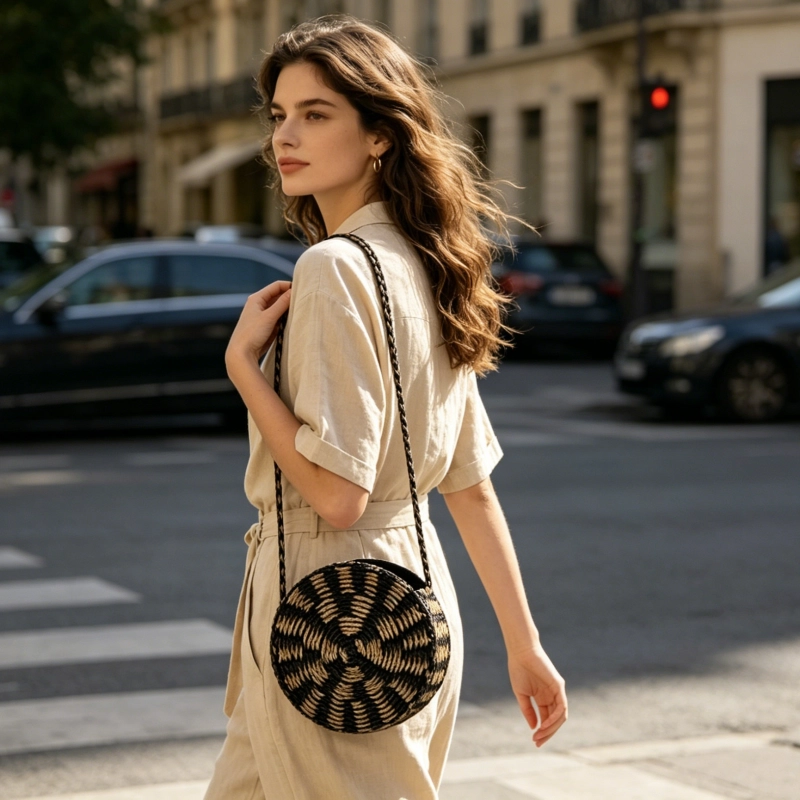
The 2026 premium fashion market is shifting rapidly away from heavy structural leathers toward tactile, sustainable natural fibers. Shoppers now favor lightweight, organic textures driven by shifting social media aesthetics and prominent high-fashion runway endorsements.
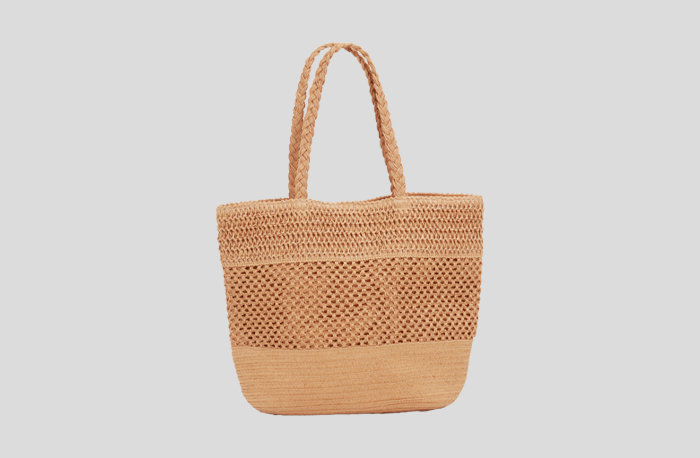
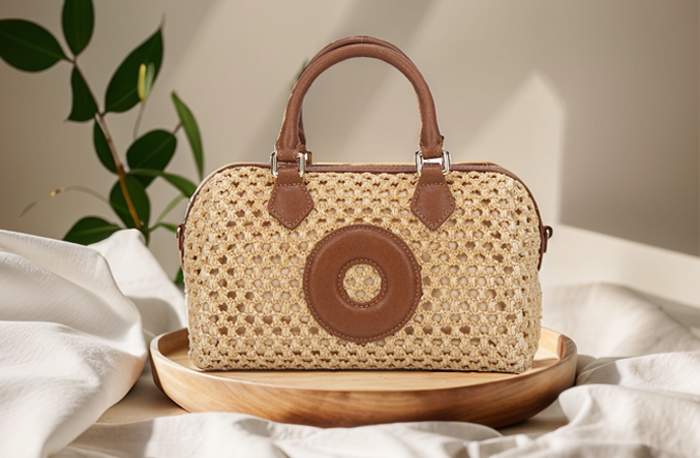
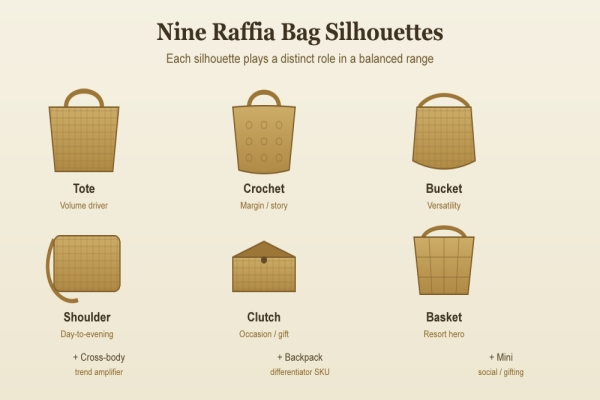
For brand managers, retail buyers, and private-label entrepreneurs, "types of raffia bags" is not a styling question — it's a sourcing and assortment-planning decision. Each silhouette carries a different production complexity, minimum order quantity, price ceiling, customization scope, and role within a balanced range.
A raffia bag is made through a labor-intensive, almost entirely handmade process that moves from a palm leaf to a finished accessory in roughly 8 to 20 hours of skilled artisan work — and considerably more for complex luxury styles.
The global fashion and retail landscape is undergoing a massive transformation. As consumers become more environmentally conscious and demand higher authenticity in their purchases, retail buyers and boutique owners face a critical inventory decision.
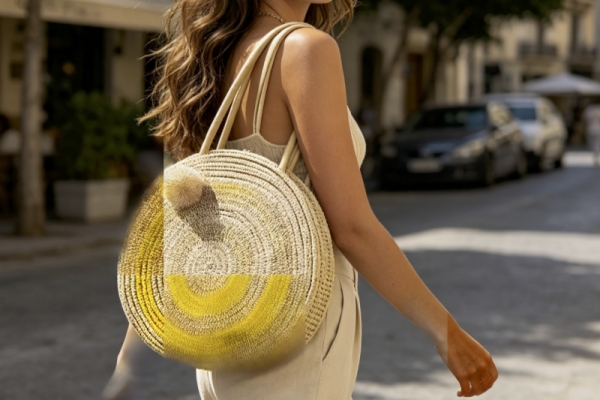
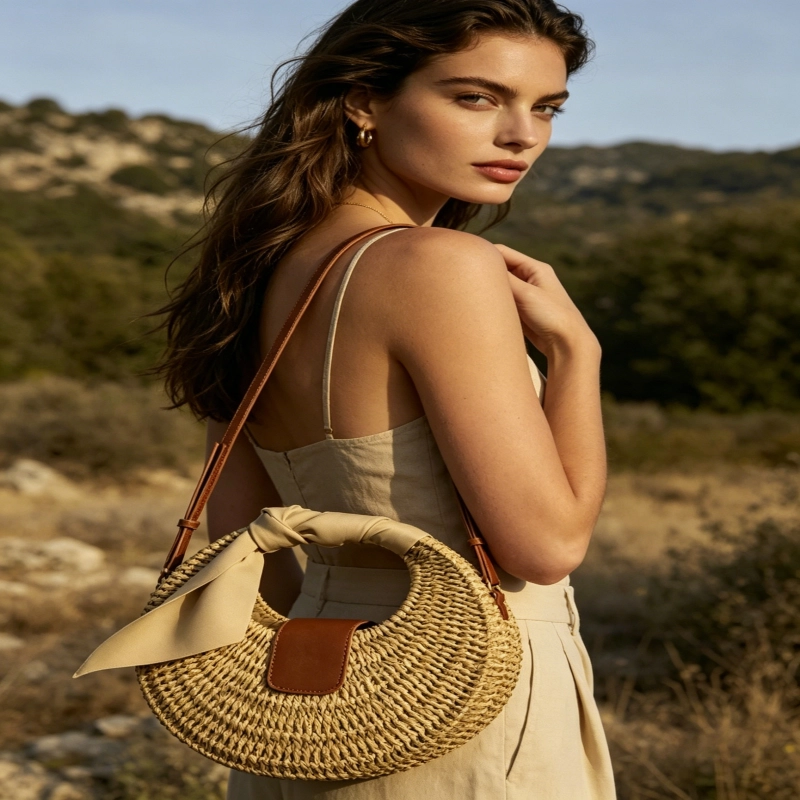
For fashion brands, boutique owners, and wholesale buyers, the global demand for sustainable, artisanal accessories has reached unprecedented heights. At the forefront of this 2024 and 2025 fashion trend are Handmade Raffia Bags.