

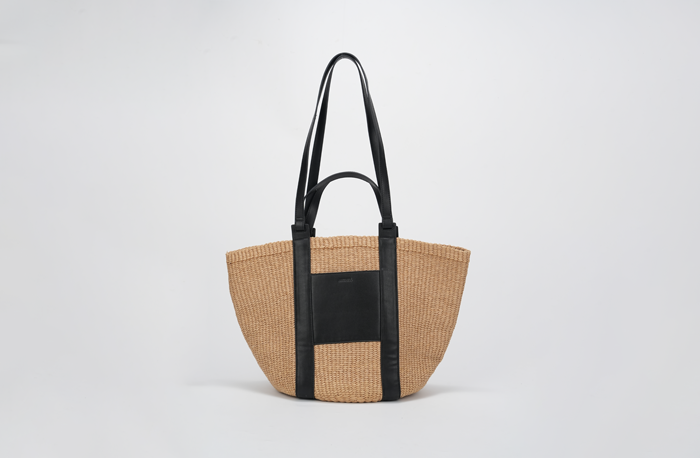

Demand for sustainable, handcrafted fashion is booming. Is importing a crochet bag from overseas actually profitable? This guide explores how China’s skilled artisans and scalable infrastructure drive cost-effectiveness. Learn to navigate material choices, supplier capabilities, and strict quality control to maximize your return on investment.
Why China is the Premier Hub for a Crochet Bag Supplier
Unlike standard textile manufacturing, crocheting cannot be fully automated. It relies entirely on manual craftsmanship, making access to a large, experienced labor force essential for cost control. A leading crochet bag supplier in China often employs over 1,000 skilled artisans. These experts preserve traditional braiding techniques while maintaining rapid production speeds.
Beyond individual skill, Chinese manufacturers leverage massive economies of scale. Top-tier factories operate in facilities exceeding 15,000 square meters, allowing them to output more than 7 million handcrafted units annually. High production volumes significantly drive down per-unit costs, making importing highly profitable without sacrificing artisanal quality.
Integrated Supply Chains and Material Access
China’s robust supply chain provides immediate access to diverse, eco-friendly materials. Local sourcing reduces lead times and costs. Buyers can easily find natural options like:
- High-colorfastness paper rope
- Natural raffia
- Seagrass and wheat straw
- Recycled PP (polypropylene)
This local availability ensures that a custom crochet bag remains affordable even when using premium, sustainable inputs.
Decades of Premium Brand Experience
Navigating international trade requires a reliable partner. Established Chinese suppliers bring decades of specialized experience. Industry leaders operating since 1994 have refined their processes to meet strict global standards. Working with a factory that supplies over 400 premium brands reduces your risk. These suppliers understand complex compliance requirements and hold certifications like BSCI, FSC, and ISO9001, ensuring your imported bags meet exact brand specifications.
Analyzing the Cost Breakdown of a Custom Crochet Bag
To determine if importing a crochet bag is cost-effective, you must understand its exact cost components. Synthetic fibers often cost less upfront, but natural and sustainable materials provide higher retail value. Options like high-colorfastness paper rope or natural raffia appeal to eco-conscious consumers. These premium materials increase initial production costs but allow for higher profit margins.
Labor and Craftsmanship
Every handcrafted tote requires extensive manual labor. Artisans use traditional crocheting and braiding techniques that take hours to complete. Because automation is impossible, labor time dictates the baseline manufacturing cost. Working with a facility that employs highly skilled artisans ensures efficiency without compromising structural integrity.
Hardware and Embellishments
Branding and finishing touches impact your final unit price. Hardware and embellishments elevate the product but add material and labor expenses. Common custom logo techniques include intricate embroidery, custom metal plates, or PU embossing. Upgrading to premium accessories increases costs, requiring you to balance aesthetic choices with your target budget.
Prototyping Fees
Before bulk manufacturing begins, prototyping verifies the design. Top manufacturers often provide up to five free samples for simple designs. However, you should budget for prototyping fees if your project is complex. Designs using natural raffia or requiring custom molds incur a sample fee. This upfront investment prevents costly errors during mass production.
| Cost Component | Key Pricing Variables |
|---|---|
| Materials | Synthetic fibers versus natural options like high-colorfastness paper rope or natural raffia. |
| Labor | Time required for traditional crocheting and braiding techniques. |
| Embellishments | Custom logo techniques including embroidery, metal plates, or PU embossing. |
| Prototyping | Free samples for simple designs versus fees for custom molds or raffia. |
Step-by-Step Process for Cost-Effective Importing
Importing becomes highly cost-effective when you follow a structured manufacturing process. A clear workflow minimizes errors and controls expenses from the initial concept to final delivery.
1. Requirement Communication
Start with a complete tech pack or a simple rough sketch. Consult with your manufacturing partner on material selection and production feasibility. Finalizing these details early prevents expensive design changes later.
2. Design Confirmation and Quotation
Your supplier should provide a tailored solution with transparent pricing. Leveraging flexible Minimum Order Quantities (MOQs) helps manage financial risk. Top facilities often offer MOQs starting from just 300 pieces, letting you test the market affordably.
3. Sample Production
Sample production lets you verify the texture of eco-friendly materials and inspect the craftsmanship before committing to bulk manufacturing. Resolving design flaws during sampling protects your mass production budget.
4. Bulk Production and Quality Assurance
Once the sample is approved, skilled artisans begin bulk production. Strict quality control is vital for handcrafted items. Ensure your crochet bag supplier performs a 100% quality inspection on every unit, checking thread ends and structural integrity to prevent product defects.
5. Logistics and Global Delivery
Finished products require careful handling to maintain their pristine condition during transit. Ensure the factory securely packs your order on pallets. Utilizing mechanical handling minimizes the risk of transit damage. A reliable partner will coordinate delivery directly from their facility to your warehouse.
Mitigating Risks and Common Importing Mistakes
Importing a custom crochet bag offers excellent margins, but missteps can erase your profits. Avoiding common pitfalls ensures your investment remains cost-effective.
Skipping the Sample Phase
Moving directly to bulk production without reviewing physical prototypes often leads to unusable inventory. Always verify your custom design to ensure the natural materials meet your expectations before mass manufacturing begins.
Choosing Quantity Over Quality
High-volume production means little if the final products are defective. Partnering with a supplier that lacks strict quality control results in high return rates, damaging your brand reputation. Verifying that your factory conducts comprehensive inspections prevents flawed items from reaching your customers.
Ignoring Sustainable Trends
Modern consumers increasingly demand environmental responsibility. Failing to incorporate eco-friendly concepts limits your market appeal. Utilizing natural materials like seagrass, wheat straw, or recycled PP aligns with current trends and helps justify premium retail pricing.
Poor Logistics Planning
Underestimating shipping logistics can easily destroy your profit margins. Handcrafted items require secure pallet packing and mechanical handling to maintain their shape. Proper planning prevents unexpected freight costs and costly transit damage.
Evaluating Certifications and Quality Control for ROI
Partnering with a highly qualified facility directly impacts your long-term profitability. Proper credentials and rigorous inspections ensure your inventory arrives ready for retail.
The Value of Manufacturing Certifications
Working with a fully certified factory reduces expensive compliance risks and customs delays. Look for a manufacturing partner holding a comprehensive range of credentials, including:
- Social and Ethical: BSCI and Sedex
- Quality Management: ISO9001
- Environmental and Safety: FSC, RoHS, CE, SGS, and GRS
These certifications streamline global logistics and provide powerful marketing leverage when selling sustainable fashion accessories.
Strict Inspection Protocols
Implementing rigorous quality checks across all production stages generates significant long-term savings. Core inspection stages should include:
- Initial material selection and preparation
- Hand crocheting and braiding accuracy
- Precision cutting and stitching
- Application of decorative craftsmanship
Catching minor flaws during these specific stages prevents wasted materials. It guarantees that every handmade item meets premium retail standards, ultimately lowering customer return rates.
Leveraging OEM and ODM Support
Developing a custom product line often incurs heavy external design fees. You can eliminate these extra expenses by utilizing a supplier’s OEM and ODM support. Factories trusted by premium brands offer highly valuable in-house design capabilities to refine your concepts quickly, maximizing your overall return on investment.
Frequently Asked Questions About Importing Crochet Bags
What is the minimum order quantity for custom crochet bags?
Flexible Minimum Order Quantities (MOQs) help manage financial risk and test the market. Custom orders typically start from just 300 pieces. This low starting point makes it highly cost-effective for brands to import high-quality handmade products without overcommitting their budget.
Do I have to pay for a sample before mass production?
Prototyping is highly recommended to verify your design. Top manufacturers often provide up to five free samples for simple designs. However, if your project requires custom molds or uses premium materials like natural raffia, a sample fee will apply. This upfront investment helps prevent costly errors during bulk manufacturing.
What eco-friendly materials can I choose for my bags?
You can select from a variety of natural and sustainable materials that appeal to eco-conscious consumers. Locally sourced options include high-colorfastness paper rope, natural raffia, seagrass, wheat straw, and recycled PP (polypropylene). These materials blend beautiful aesthetics with environmental responsibility.
How do you ensure the quality of handmade bags?
Every handmade crochet bag should undergo a strict 100% quality inspection. Inspectors carefully check everything from material selection and braiding accuracy to thread ends and overall structural integrity. This rigorous process ensures that every item meets premium retail standards.
Can I add my own brand logo to the bags?
Yes, suppliers offering full OEM and ODM support allow for extensive brand customization. You can personalize your bags using several custom logo techniques, including intricate embroidery, custom metal plates, or PU embossing.
How are the bags shipped to prevent damage?
Handcrafted items require careful handling to maintain their shape and pristine condition. Products are securely packed on pallets and moved using mechanical handling during transit to minimize the risk of damage. Reliable suppliers coordinate the entire logistics process, delivering directly from the facility to your warehouse worldwide.
Conclusion
Importing crochet bags from China delivers high ROI by combining skilled artisan labor with scalable infrastructure. To maximize profitability, balance eco-friendly material choices with strict quality control. Partner with an experienced, certified manufacturer to ensure a transparent process from concept to global delivery.
- Share your tech pack or sketch for a free consultation.
- Request eco-friendly material samples to verify texture.
- Confirm flexible order quantities and transparent pricing.