Machine-Made vs. Handmade Straw Bags: What Retailers Need to Know
The global fashion and retail landscape is undergoing a massive transformation. As consumers become more environmentally conscious and demand higher authenticity in their purchases, retail buyers and boutique owners face a critical inventory decision. When stocking up for the spring, summer, or resort-wear seasons, one product consistently dominates the accessory market: straw bags. However, the decision is no longer just about the style; it is about the manufacturing process. The debate between machine-made alternatives and authentic Handmade Straw Bags is a vital conversation for B2B buyers looking to optimize their profit margins, elevate their brand image, and meet modern consumer demands.
For retail buyers, procurement managers, and boutique owners, understanding the intricate differences between these two manufacturing methods is crucial. Choosing the right inventory can dictate your seasonal success. Should you prioritize the mass-production efficiency of machine-made bags, or should you partner with a premium Handmade Straw Bags supplier to offer artisanal, high-ticket items?
This comprehensive guide will break down everything B2B retailers need to know. From production processes and quality control to profit margins, MOQs (Minimum Order Quantities), and the latest sustainability trends, we will provide a deep dive into why sourcing authentic Handmade Straw Bags might be the most lucrative decision for your retail business this year.
Understanding the Production Process: Artisan Craftsmanship vs. Industrial Efficiency
To make an informed B2B sourcing decision, buyers must first understand how these products are brought to life. The physical creation of Handmade Straw Bags compared to their machine-made counterparts dictates their quality, cost, and ultimate retail value.
The Art and Heritage of Handmade Straw Bags
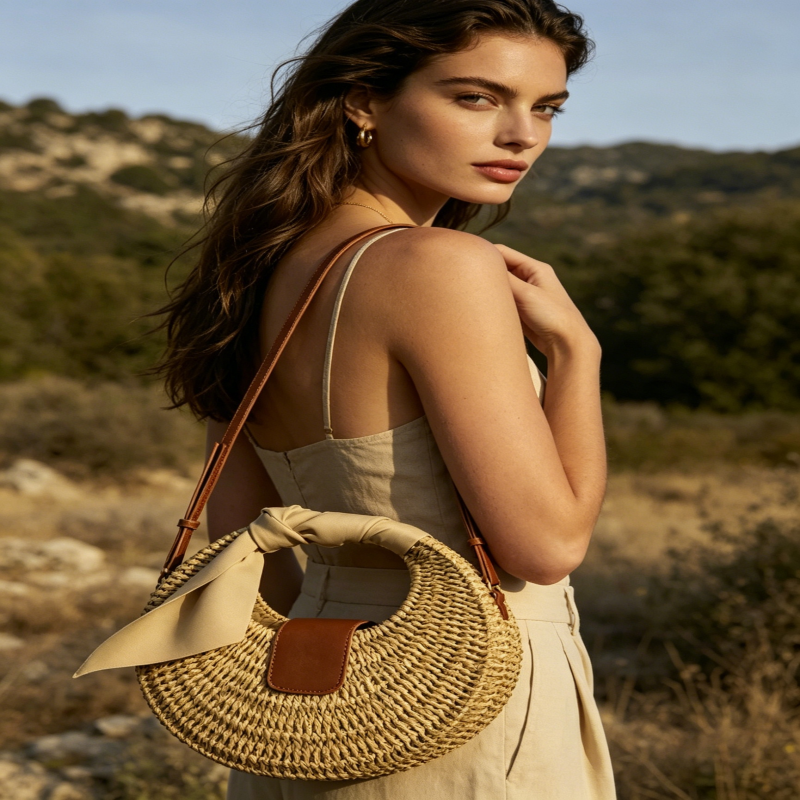
The creation of Handmade Straw Bags is a time-honored tradition that has been passed down through generations of skilled artisans, predominantly in regions known for their rich agricultural and weaving histories, such as Southeast Asia, Africa, and South America. When you source genuine Handmade Straw Bags, you are purchasing a piece of cultural craftsmanship.
The process begins with the harvesting of 100% natural materials. Artisans typically use raw, earth-friendly materials such as natural raffia, rattan, seagrass, palm leaves, or water hyacinth. Once harvested, these natural fibers are sun-dried, naturally dyed, and treated without the use of harsh industrial chemicals.
The weaving process itself is incredibly labor-intensive. Depending on the complexity of the design, creating a single unit of Handmade Straw Bags can take an artisan anywhere from a few hours to several days. The intricate braids, the hand-stitched leather handles, and the carefully woven inner linings are all done manually. This meticulous attention to detail means that every single one of your Handmade Straw Bags is slightly unique, featuring the "perfect imperfections" that high-end consumers actively seek out and are willing to pay a premium for.
The Mass Production of Machine-Made Straw Bags
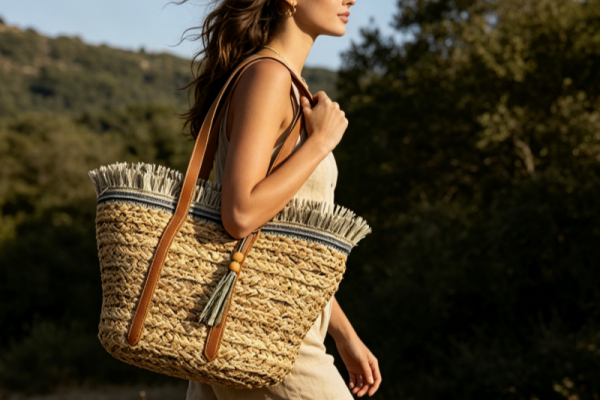
In stark contrast, machine-made straw bags are designed for rapid scalability, high volume, and low production costs. To endure the stress, speed, and tension of industrial weaving looms and heavy-duty sewing machines, true natural fibers are often too brittle. Therefore, factories producing machine-made bags typically rely on synthetic blends, paper straw (cellulose), polypropylene (PP) plastic strips, or heavily chemically treated natural fibers.
The manufacturing process involves feeding these standardized materials into automated looms that weave miles of uniform fabric. This fabric is then machine-cut into bag patterns and stitched together on an assembly line. While this method allows factories to produce thousands of identical bags a day, the resulting product lacks the soul, texture, and durability of authentic Handmade Straw Bags. The focus here is strictly on volume and uniformity rather than artistry.
Key Differences Every B2B Buyer Should Evaluate
When a customer walks into your retail store or browses your e-commerce site, they might not immediately know the technical differences in manufacturing. However, they will feel the difference in quality. Here are the core distinctions you must evaluate before choosing a Handmade Straw Bags supplier.
1. Quality, Durability, and Aesthetics
The structural integrity of an accessory defines its lifespan.
Handmade Straw Bags: Because they are woven by hand, artisans can adjust the tension of the weave continuously, ensuring tight, durable interlocking fibers. The natural materials used in Handmade Straw Bags are remarkably resilient. Rattan and seagrass, for instance, can withstand significant weight, moisture, and daily wear-and-tear, often lasting for years. The aesthetic is rich, textured, and visibly premium.
Machine-Made Bags: The synthetic or paper-based materials used in machine production are prone to fraying, snapping, or unravelling. A minor snag can cause the entire machine-stitched seam to burst. Aesthetically, they often look "flat" and lack the dimensional, organic texture that makes Handmade Straw Bags so appealing.
2. Sustainability and Brand Image (The ESG Factor)
In today's retail landscape, a brand's commitment to ESG (Environmental, Social, and Governance) principles can make or break its market positioning.
Handmade Straw Bags: Partnering with an ethical Handmade Straw Bags supplier allows your retail brand to market a truly sustainable product. Handmade Straw Bags are predominantly biodegradable, boast a near-zero carbon footprint during production, and support fair-trade artisan communities. This is a massive selling point for Millennials and Gen Z consumers who prioritize eco-friendly fashion.
Machine-Made Bags: The reliance on plastics, synthetic glues, and industrial factory emissions drastically lowers the sustainability score of machine-made bags. For boutique brands trying to establish an eco-friendly image, stocking machine-made items can lead to accusations of greenwashing.
3. Uniqueness vs. Standardization
Handmade Straw Bags: No two Handmade Straw Bags are exactly identical. The slight variations in the color of the sun-dried grass or the tightness of the weave give each piece an exclusive, boutique feel. Retailers can market Handmade Straw Bags as limited-edition or one-of-a-kind accessories.
Machine-Made Bags: These offer rigid standardization. If you are a massive big-box discount retailer that needs 50,000 completely identical bags across 500 store locations, machine-made is the only viable option. However, you sacrifice uniqueness for this uniformity.
Data Analysis and Product Comparison: Profit Margins and Sourcing Metrics
To make the best B2B decision, we must look at the numbers. The economics of sourcing Handmade Straw Bags differ vastly from sourcing machine-made equivalents. To facilitate data analysis and comparison for procurement managers, we have compiled the following featured comparison table.
Comparative Analysis: Handmade Straw Bags vs. Machine-Made Bags
| Sourcing Metric | Authentic Handmade Straw Bags | Machine-Made Straw Bags | Retail Impact & Strategy |
|---|---|---|---|
| Typical MOQs | Low to Medium 300 units | Very High (1,000 - 5,000+ units) | Handmade Straw Bags allow boutiques to test new styles with lower upfront capital risk. |
| Wholesale Unit Cost | Moderate to High | Very Low | Machine-made requires massive volume to be profitable. |
| Retail Price Point | Premium ($50 - $250+) | Budget ($15 - $35) | You can command a much higher retail price for Handmade Straw Bags due to artisan value. |
| Profit Margins | 60% - 80% (High Margin) | 30% - 50% (Low Margin) | Sourcing from a direct Handmade Straw Bags supplier yields superior per-unit profitability. |
| Lifespan / Durability | 3 to 10+ Years | 1 Season (A few months) | Handmade Straw Bags build customer loyalty through longevity and quality. |
| Target Demographics | Eco-conscious, Luxury, Gen Z | Fast Fashion, Discount Shoppers | Align your choice with your brand’s target audience. |
| Material Biodegradability | 100% Biodegradable | Mostly Non-Biodegradable | Handmade Straw Bags excel in eco-marketing campaigns. |
Pricing Strategies and Profit Margins for Retailers
The B2B data is clear: while the initial wholesale cost from a Handmade Straw Bags supplier may be higher than a factory churning out machine-made bags, the ROI (Return on Investment) potential is significantly greater. Retailers who stock Handmade Straw Bags can utilize a "value-based pricing strategy."
Because consumers associate Handmade Straw Bags with sustainable luxury, ethical fashion, and superior craftsmanship, they are conditioned to pay a premium. A retailer might purchase high-quality Handmade Straw Bags for $20 wholesale and comfortably retail them for $80 to $120, achieving a massive profit margin. Conversely, a machine-made bag bought for $5 can usually only be sold for $20, requiring the retailer to sell four times as much inventory to make the same profit, while also dealing with the logistics of higher MOQs.
The Latest Market Trends Fueling the Demand for Handmade Straw Bags
To successfully merchandise and sell Handmade Straw Bags, retail buyers must understand the fresh topics and latest fashion trends driving consumer behavior.
The "Quiet Luxury" Trend: Modern consumers are moving away from loud, flashy logos and leaning into "quiet luxury"—items that scream high quality through their materials and craftsmanship rather than branding. Handmade Straw Bags fit this trend perfectly. Their intricate weaves and natural tones exude understated elegance.
Cottagecore and Coastal Grandmother Aesthetics: Social media trends heavily influence retail demand. The viral "Coastal Grandmother" and "Cottagecore" aesthetics prioritize natural living, linen clothing, and rustic accessories. Handmade Straw Bags are the absolute centerpiece of these viral fashion movements.
The Post-Pandemic Travel Boom: As global travel reaches record highs, the demand for resort wear has skyrocketed. Vacationing consumers are actively seeking out high-quality Handmade Straw Bags for beach trips, tropical getaways, and summer city breaks. Retailers who stock up early from a reliable Handmade Straw Bags supplier will capture this highly motivated buyer segment.
Ethical Consumerism: According to recent retail data, over 60% of consumers are willing to pay more for products that are sustainably produced. Marketing your inventory as genuine Handmade Straw Bags that support local artisan communities gives your retail brand a compelling narrative that drives conversions.
How to Choose the Right Strategy for Your Retail Business
Understanding the difference is only half the battle; applying it to your B2B purchasing strategy is where revenue is generated.
When to Stock Handmade Straw Bags
You should prioritize sourcing from a premium Handmade Straw Bags supplier if your retail business falls into any of the following categories:
Independent Boutiques: You need unique, high-margin items that separate you from big-box stores. Handmade Straw Bags offer the exclusivity your customers crave.
Sustainable Fashion Brands: If your brand identity relies on eco-friendly practices, stocking genuine Handmade Straw Bags is a non-negotiable requirement to maintain brand integrity.
Luxury Resort Wear Stores: Customers shopping for luxury vacations expect premium quality. Handmade Straw Bags provide the upscale aesthetic required for high-end resort merchandising.
Online D2C Brands: Direct-to-consumer brands thrive on storytelling. The artisan creation process behind Handmade Straw Bags provides incredible content for social media marketing, Facebook ads, and email campaigns.
When to Stock Machine-Made Alternatives
Machine-made bags only make sense for specific, volume-heavy business models. You might opt for factory-made over Handmade Straw Bags if:
You run a fast-fashion discount chain where retail prices cannot exceed $15.
You are purchasing promotional giveaway items for a corporate event where quality is secondary to unit volume.
Your customer base is entirely price-driven rather than value-driven.
Sourcing Tips: Finding a Reliable Handmade Straw Bags supplier
If you have decided that stocking high-margin, artisanal products is the right move for your retail business, the next step is finding the right B2B partner. Not all wholesale vendors are created equal. Here is a definitive checklist for vetting a potential Handmade Straw Bags supplier to ensure you are getting authentic products.
1. Verify the Materials and Origins
A trustworthy Handmade Straw Bags supplier will be entirely transparent about where their products are made and what materials are used. Ask them specifically if their Handmade Straw Bags are made from 100% natural rattan, water hyacinth, or seagrass. If a supplier is vague about the origin or mentions materials like "paper straw," they are likely selling machine-made goods disguised as handmade.
2. Request Samples Before Bulk Purchasing
Always ask your Handmade Straw Bags supplier for a physical sample before committing to a bulk order. When the sample arrives, inspect it closely:
The Smell Test: Authentic Handmade Straw Bags have a distinct, pleasant, earthy scent of dried grass or wood. If the bag smells like chemical glue or plastic, it is machine-made.
The Weave Inspection: Look closely at the weaving pattern. In authentic Handmade Straw Bags, you will see microscopic variations in the thickness of the fibers—a hallmark of human craftsmanship. Machine-made bags will look unnaturally flawless and uniform.
Check the Hardware: A premium Handmade Straw Bags supplier will use high-quality leather straps, sturdy brass rivets, and durable cotton linings to match the quality of the exterior weave.
3. Inquire About Customization and OEM/ODM Services
The best B2B partners do more than just sell inventory; they help build your brand. Ask your Handmade Straw Bags supplier if they offer private labeling services. Can they embroider your boutique’s logo on the inner lining of the Handmade Straw Bags? Can they customize the color of the leather straps? A supplier capable of offering OEM (Original Equipment Manufacturer) services is incredibly valuable for retail brand growth.
4. Evaluate Their MOQs and Scalability
While you may want to start with a small test order, you need a Handmade Straw Bags supplier who can scale with your success. Ensure that they are willing to offer low introductory MOQs (e.g., 50 units) to help you test the market, but also have the artisan network capacity to fulfill orders of 500+ Handmade Straw Bags when your retail sales take off during the peak summer season.
5. Assess Their Commitment to Fair Trade
Since a major selling point of Handmade Straw Bags is ethical consumerism, ensure your supplier treats their artisans fairly. A reputable Handmade Straw Bags supplier will gladly share stories, photos, or certifications proving that their weavers work in safe conditions and receive fair wages. You can pass this beautiful narrative directly to your retail customers.
Maximizing Your Retail ROI with Handmade Straw Bags
Once you have successfully sourced your inventory from a vetted Handmade Straw Bags supplier, the final step is merchandising. To truly capitalize on the B2B investment, retailers must display and market these items correctly.
In-Store Visual Merchandising: Do not cram your Handmade Straw Bags tightly onto a single shelf. Give them breathing room. Stuff them with tissue paper to maintain their shape, and display them alongside complementary items like linen sundresses, wide-brimmed hats, and premium sunglasses.
E-commerce Product Descriptions: Words matter. When listing Handmade Straw Bags on your website, do not just list the dimensions. Tell the story. Highlight that they are "artisan-crafted," "eco-friendly," and "sustainably sourced." Mention that due to the handcrafted nature, "each bag is a unique piece of art." This language justifies the premium price tag.
Care Instructions: Educate your customers. Include a small, branded card inside your Handmade Straw Bags explaining how to care for natural fibers (e.g., keeping them dry, brushing off dust). This adds a touch of luxury customer service that elevates the perceived value of the product.
Conclusion
In the highly competitive world of retail fashion, the accessories you choose to stock define your brand's reputation and your bottom line. The debate between machine-made and handmade inventory is ultimately a choice between competing on price versus competing on value.
While machine-made bags offer cheap, high-volume solutions for fast-fashion chains, they cannot deliver the durability, uniqueness, and eco-friendly appeal that today's discerning consumers demand. By choosing to stock authentic Handmade Straw Bags, retailers are investing in high-margin, sustainably crafted products that elevate their store's aesthetic and build deep customer loyalty.
Partnering with a reliable, ethical Handmade Straw Bags supplier is one of the most strategic B2B moves a boutique owner, retail brand, or wholesale buyer can make. It allows you to tap into the powerful trends of sustainable fashion, quiet luxury, and artisan appreciation. As you prepare your inventory for the upcoming seasons, remember that consumers are not just buying a bag—they are buying a story, a piece of art, and a commitment to the environment. Equip your retail business with premium Handmade Straw Bags and watch your brand prestige—and your profit margins—grow.