How to crochet a bag?
The global fashion landscape has witnessed a massive resurgence in artisanal accessories, with Crochet Bags leading the charge. From casual beach outings to high-end fashion runways, Crochet Bags offer a unique blend of texture, sustainability, and bespoke artistry. Whether you are an individual hobbyist looking to craft a single handmade crochet bag for personal use, or a fashion brand researching the construction of Crochet Bags before partnering with a premier crochet bag manufacturer, this comprehensive guide covers everything you need to know.
At HANDBRAID, a leading figure in the handcraft industry since 1994, we understand the intricate anatomy of Crochet Bags. Our factory, powered by over 1,000 skilled artisans, produces more than 7 million Crochet Bags and braided baskets annually. We combine traditional crocheting techniques with modern fashion trends to create Crochet Bags that are structurally sound, aesthetically pleasing, and eco-friendly. In this guide, we will walk you through the precise steps to crochet a bag, mirroring the commercial-grade techniques used to create our world-renowned Crochet Bags.
Essential Materials and Tools for Crocheting a Bag
Before you begin crafting Crochet Bags, selecting the right materials is paramount. The difference between flimsy, misshapen Crochet Bags and durable, retail-ready Crochet Bags lies entirely in your foundational supplies.
Choosing the Right Yarn for Durability
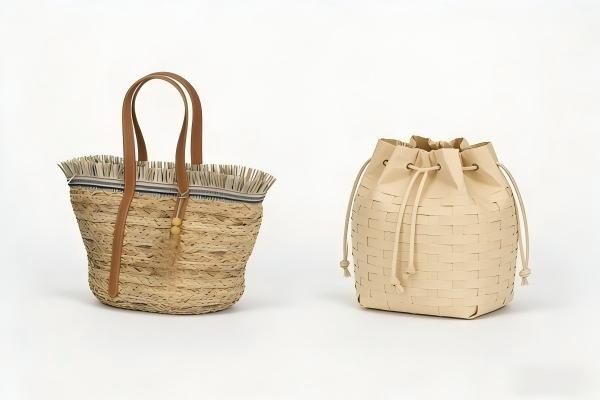
When making Crochet Bags, the yarn you select determines the bag's lifespan, structure, and weight capacity. While soft acrylics might be great for sweaters, Crochet Bags require sturdy, inelastic materials. For commercial-grade durability—the standard we uphold at HANDBRAID—we recommend eco-friendly and robust materials.
We specialize in crafting Crochet Bags using natural materials like paper, raffia, seagrass, wheat straw, and recycled PP. These materials emphasize an eco-friendly and recyclable concept. If you want to create a stunning crochet straw bag, natural raffia or wheat straw provides the perfect stiff texture required.
Data Analysis: Top Yarn Choices for Crochet Bags
| Yarn/Material Type | Durability Level | Stretch Resistance | Best Used For |
|---|---|---|---|
| Natural Raffia/Straw | Extremely High | Excellent | A structured crochet straw bag, summer totes, beach Crochet Bags |
| Mercerized Cotton | High | Very Good | Everyday Crochet Bags, market bags, detailed patterns |
| Macrame Cord/Nylon | Very High | Excellent | Heavy-duty Crochet Bags, a sturdy crochet tote bag |
| Recycled PP | High | Excellent | Eco-friendly Crochet Bags, water-resistant accessories |
| Acrylic/Wool | Low | Poor (High Stretch) | Avoid for Crochet Bags unless heavily lined |
Selecting the Perfect Hook
The structure of Crochet Bags relies on tight, dense stitches. If your stitches are too loose, items will poke through your Crochet Bags, and the bags will stretch out of shape. Always choose a crochet hook that is 0.5mm to 1.0mm smaller than the recommended size on your yarn label. This forces the stitches to be compact, creating a stiff fabric ideal for Crochet Bags.
Additional Hardware
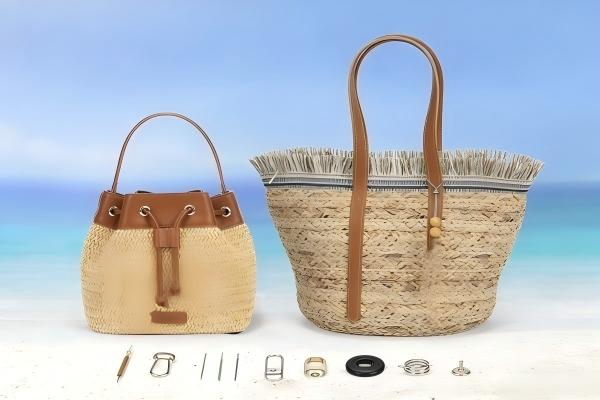
To elevate your Crochet Bags from simple craft projects to professional accessories, incorporate commercial hardware. You will need:
Stitch Markers: Essential for working in the continuous rounds typical of Crochet Bags.
Darning Needles: For weaving in ends securely so your Crochet Bags don't unravel.
Commercial Hardware: D-rings for strap attachments, magnetic snaps for closures, and metal feet to protect the bottom of your Crochet Bags.
Understanding Bag Construction Basics
To design and create flawless Crochet Bags, you must first understand the architectural basics of bag construction. Crochet Bags require specific stitches and construction methods to ensure they can carry weight.
Essential Stitches for Crochet Bags
Not all crochet stitches are suitable for Crochet Bags. LACY, open-work stitches will result in flimsy Crochet Bags. The most reliable stitches for Crochet Bags include:
Single Crochet (SC): The undisputed king of stitches for Crochet Bags. It creates a dense, tight fabric with minimal holes.
Half Double Crochet (HDC): Slightly taller than SC, offering a bit more texture while still maintaining the structural integrity of Crochet Bags.
Slip Stitch (SL ST): Often used for seaming Crochet Bags or adding decorative, non-stretchy borders to the straps of Crochet Bags.
Waistcoat Stitch: A variation of single crochet that looks like knitting; highly recommended for very stiff, structured Crochet Bags.
Two Common Construction Methods
When planning your Crochet Bags, you must choose how the bag will be built. Here is a comparison of the two dominant methods used to construct Crochet Bags:
Product Comparison: Construction Methods for Crochet Bags
| Construction Method | Description | Pros for Crochet Bags | Cons for Crochet Bags |
|---|---|---|---|
| Bottom-Up in the Round | Start with an oval/rectangle base, then crochet in continuous spirals upwards. | Seamless design, very strong base, perfect for a crochet tote bag. | Can be difficult to track stitch counts on large Crochet Bags. |
| Flat Panels and Seaming | Crochet a front panel, back panel, and a long gusset (sides/bottom), then stitch together. | Easy to measure, great for complex colorwork on Crochet Bags. | Seams can be bulky or become weak points in Crochet Bags if not sewn properly. |
Step-by-Step Tutorial: Making Your First Crochet Bag
In this tutorial, we will focus on the "Bottom-Up in the Round" method, which is the most popular technique for creating a durable crochet tote bag. This method mirrors the efficient techniques our artisans use when producing premium Crochet Bags.
Step 1: Crafting a Sturdy Base
The foundation of all great Crochet Bags is a sturdy base. For an oval base:
Chain a foundation row (e.g., chain 20).
Single crochet into the second chain from the hook and continue to the end.
In the final chain, place 3 single crochets. This allows you to turn the corner and work down the opposite side of the foundation chain.
Continue crocheting in a spiral, adding increases at the two curved ends of the oval.
Keep expanding until the base of your Crochet Bags reaches the desired width and length. A flat, non-curling base is the hallmark of expertly crafted Crochet Bags.
Step 2: Building the Sides
Transitioning from the base to the body is a critical step in making Crochet Bags.
Once the base is wide enough, stop increasing.
To create a sharp, distinct fold between the bottom and the sides of your Crochet Bags, work one round of Single Crochet in the Back Loops Only (BLO).
For subsequent rounds, simply place one single crochet in every stitch around.
As you continue this spiral, the sides of your Crochet Bags will begin to grow upward like a bowl. Keep crocheting until your Crochet Bags reach your desired depth.
Step 3: Creating and Attaching the Straps/Handles
A frequent complaint about DIY Crochet Bags is that the straps stretch under weight. To prevent this in your Crochet Bags:
Integrated Handles: For a modern crochet tote bag, you can create handles directly into the final rounds by chaining a gap (e.g., chain 40, skip 20 stitches) and then crocheting over that chain in the next round.
Thermal Stitch Straps: If making separate shoulder straps for Crochet Bags, use the thermal stitch. It is twice as thick as a regular stitch and entirely stretch-resistant, ideal for heavy-duty Crochet Bags.
Hardware Integration: Crochet around D-rings at the sides of your Crochet Bags, allowing you to clip on leather straps for a mixed-media look.
Step 4: Finishing Touches and Seamless Joins
Professional Crochet Bags never have ugly, jagged edges. When you reach the final round of your Crochet Bags:
Use the "Invisible Join" method. Cut your yarn, pull it through the final stitch, thread it onto a darning needle, and mimic the top loop of the next stitch.
Add a final round of slip stitches around the very top edge. This "locks" the top opening of your Crochet Bags, preventing the rim from stretching out over time.
Customizing and Elevating Your Design
To ensure your Crochet Bags stand out, customization is key. At HANDBRAID, our design team follows fashion closely, pursuing the artistry and aesthetics of design to create highly attractive Crochet Bags.
Playing with Textures and Stripes
You can elevate simple Crochet Bags by incorporating popular elements and fashionable color matching.
Color Blocking: Switch yarn colors halfway up the body of your Crochet Bags for a modern, two-tone look.
Tapestry Crochet: Carry multiple colors of yarn to weave geometric patterns directly into the fabric of your Crochet Bags.
Adding Texture: Incorporate Bobble stitches or Popcorn stitches to give your Crochet Bags a tactile, 3D surface. Textured Crochet Bags are currently dominating bohemian fashion trends.
Adding a Lining
If you want your handmade crochet bag to feel like a premium, retail-ready product, adding a fabric lining is non-negotiable. Linings prevent small items like keys and pens from slipping through the stitches of Crochet Bags.
Measure the width and height of your finished Crochet Bags.
Cut a piece of complementary fabric (like cotton canvas) to these dimensions, leaving a seam allowance.
Sew the fabric into a pouch, fold down the top edge, and hand-stitch it inside your Crochet Bags.
For ultimate luxury, add interior zipper pockets to your Crochet Bags before installing the lining.
Care Instructions for Long-Lasting Crochet Bags
Once you have completed your Crochet Bags, proper maintenance is required to keep them looking pristine. Crochet Bags made from natural fibers require different care than those made from synthetics.
Washing Crochet Bags: Never machine wash structured Crochet Bags. Spot clean your Crochet Bags with a damp cloth and mild detergent. If you have a crochet straw bag, keep it away from excessive moisture to prevent the natural fibers from swelling or losing their shape.
Drying Crochet Bags: Always lay Crochet Bags flat to dry. Hanging wet Crochet Bags will cause the weight of the water to stretch the handles and warp the body.
Storing Crochet Bags: When not in use, stuff your Crochet Bags with acid-free tissue paper to help them maintain their shape. Store Crochet Bags in a cool, dry place away from direct sunlight, which can fade the vibrant colors of your Crochet Bags.
Scaling Up: DIY vs. Sourcing Wholesale Crochet Bags
Crocheting a single bag is a deeply rewarding DIY project. However, the realities of time and labor quickly become apparent if you are a boutique owner, a retailer, or a fashion brand looking to stock Crochet Bags. It can take upwards of 10 to 20 hours to produce a single, high-quality bag. When you need reliable volume, consistency, and commercial viability, transitioning from DIY crafting to partnering with an expert crochet bag manufacturer is the strategic choice.
This is where HANDBRAID steps in. As a premier manufacturer of Crochet Bags, we offer the perfect solution for brands seeking volume without sacrificing the artisanal soul of handcrafts.
Why Partner with HANDBRAID for Your Crochet Bags?
While making your own Crochet Bags is fun, scaling a business requires a robust supply chain. Here is why over 400 premium brands trust HANDBRAID to supply their Crochet Bags:
Skilled Artisans—The Soul of Handcrafts: We do not rely on soulless automation for our Crochet Bags. Our 1,000+ artisans are the soul of our handcrafts. They possess years of experience and are proficient in traditional crocheting and braiding techniques, incorporating these skills into every custom crochet bag they produce. They are inheritors of culture, giving profound connotations to your brand's Crochet Bags.
Massive Production Capacity: With a factory area of over 15,000 square meters, our annual production capacity exceeds 7 million Crochet Bags and braided baskets. Whether you need a small boutique run or a massive global rollout of Crochet Bags, we have the scale to deliver.
Eco-Friendly Commitment: We specialize in crafting Crochet Bags using sustainable materials like paper, raffia, seagrass, wheat straw, and recycled PP. Every piece represents our commitment to sustainability, ensuring your brand's Crochet Bags appeal to today's eco-conscious consumer.
Strict Quality Control & Certifications: DIY Crochet Bags vary in quality, but commercial Crochet Bags must be flawless. We maintain strict quality inspection across all processes—material selection, crocheting, cutting, stitching, and decorating. Furthermore, our Crochet Bags are backed by a full range of certifications: BSCI, FSC, Sedex, ISO9001, RoHs, CE, SGS, and GRS.
Rich Brand Customization Experience: We don't just sell generic Crochet Bags; we help you build your brand. We work closely with our partners to design the ultimate custom crochet bag, blending classic techniques with fashionable color matching to meet your unique market needs.
Data Analysis: DIY Production vs. Sourcing Crochet Bags from HANDBRAID
| Business Metric | DIY/In-House Crochet Bags | Sourcing from HANDBRAID (B2B) |
|---|---|---|
| Production Speed | 1-2 Crochet Bags per week | 7 Million+ Crochet Bags annually |
| Quality Consistency | Varies by individual fatigue | 100% Inspected, ISO9001 Certified Crochet Bags |
| Material Sourcing | Retail prices, limited access | Wholesale, sustainable, eco-friendly materials |
| Customization | Limited to personal skill level | Unlimited options for any custom crochet bag |
| Scalability | Extremely Low | Extremely High (Over 400 premium brands trust us) |
FAQs About Crochet Bags
Q: Are Crochet Bags strong enough for daily use?A: Absolutely. When crafted with durable yarns like cotton, nylon, or natural raffia, and stitched tightly using techniques like single crochet, Crochet Bags can easily support the weight of daily essentials. Adding a fabric lining further increases the weight capacity of Crochet Bags.
Q: How long does it take to manufacture wholesale Crochet Bags?A: While a single artisan might take days to make one bag, HANDBRAID's massive infrastructure of over 1,000 skilled artisans allows us to efficiently fulfill bulk orders for Crochet Bags, ensuring timely delivery for your seasonal fashion launches.
Q: Can I design a completely custom crochet bag for my brand?A: Yes! As a top-tier crochet bag manufacturer, HANDBRAID specializes in OEM and ODM services. Our design team follows fashion closely and will work with you to combine classic crocheting techniques with popular elements to create personalized Crochet Bags exclusive to your brand.
Q: What is the most popular style of Crochet Bags right now?A: The crochet tote bag remains a timeless staple due to its practicality. However, the crochet straw bag made from natural raffia or seagrass is currently dominating spring and summer fashion trends, highly sought after by eco-conscious consumers.
Conclusion
The artistry behind Crochet Bags is truly remarkable. The process of taking a simple strand of yarn or natural fiber and transforming it into a structured, beautiful accessory is the very definition of creative magic. Whether you are spending a quiet weekend crafting a single bag for yourself, or you are a brand looking to capitalize on the massive global trend of artisanal accessories, understanding the construction, materials, and care of Crochet Bags is essential.
However, if you are a retailer, boutique owner, or fashion brand looking to scale your business, you don't need to crochet every bag yourself. You need a reliable partner who understands that the beauty of nature meets the creativity of art in every stitch.
Elevate your brand's accessory line today. Partner with HANDBRAID, the industry's most trusted crochet bag manufacturer. Let our 1,000 skilled artisans bring your vision to life. We invite retail and wholesale buyers to browse our extensive B2B catalog of ready-to-sell, eco-friendly Crochet Bags, or contact our dedicated team to discuss your custom crochet bagmanufacturing inquiries. Together, we can build a long-term relationship based on trust, reliability, and mutual success, delivering the highest quality Crochet Bags to your customers worldwide.