-
1006-2026
Types of Raffia Bags: A B2B Sourcing and Range-Planning Guide
For brand managers, retail buyers, and private-label entrepreneurs, "types of raffia bags" is not a styling question — it's a sourcing and assortment-planning decision. Each silhouette carries a different production complexity, minimum order quantity, price ceiling, customization scope, and role within a balanced range. Choosing the right mix is what separates a raffia collection that sells through cleanly from one that ties up capital in slow-moving SKUs. This guide classifies raffia bags the way a buyer should think about them: by silhouette, by construction technique, and by material — with the commercial implications of each spelled out. If you need the foundational background on the material itself, our pillar guide on what a raffia bag is covers fiber, sustainability, and supplier selection in full. Here, the focus is on which types to build a profitable range around.
-
2505-2026
What Is a Raffia Bag?
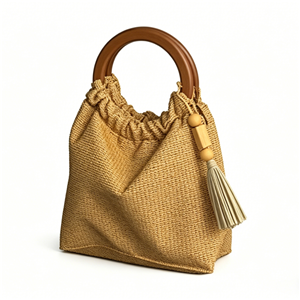
A raffia bag is a handwoven or hand-crocheted accessory made from natural fibers harvested from the leaves of the raffia palm tree. Lightweight, breathable, fully biodegradable, and prized for its tactile, ribbon-like texture, the raffia bag has evolved from a humble craft item into one of the most sought-after categories in sustainable fashion — and one of the fastest-growing wholesale opportunities for brands, retailers, and private-label businesses building their 2026 product lines.
-
2304-2026
Quality Control in Bulk Handmade Raffia Bags: A Manufacturer's Guide
For fashion brands, boutique owners, and wholesale buyers, the global demand for sustainable, artisanal accessories has reached unprecedented heights. At the forefront of this 2024 and 2025 fashion trend are Handmade Raffia Bags. Known for their resort-chic aesthetic, breathability, and eco-friendly origins, Handmade Raffia Bags have evolved from simple beach totes into high-end luxury fashion staples. However, for B2B buyers sourcing these products, a critical challenge always arises: how do you guarantee consistent quality when every single piece is crafted by human hands?