Why Are Raffia Bags Trending in 2026?
The 2026 premium fashion market is shifting rapidly away from heavy structural leathers toward tactile, sustainable natural fibers. Shoppers now favor lightweight, organic textures driven by shifting social media aesthetics and prominent high-fashion runway endorsements. However, purchasing trend-driven accessories frequently introduces a high risk of buyer remorse. Many consumers buy heavily marketed seasonal items without evaluating them strictly for structural quality, material authenticity, or long-term usability.
This dynamic creates significant friction during the buying process. Market saturation completely blurs the lines between authentic luxury investment pieces and overpriced mass-market alternatives. Many contemporary labels sell novelty accessories built from inferior synthetic paper blends, pricing them as if they feature durable natural fibers. You can easily spend premium prices on an accessory that will unravel, stretch, or snap after just one summer season.
To prevent overspending on depreciating fads, you must approach this purchase strictly as a long-term wardrobe asset. This requires a dedicated pre-purchase evaluation framework. By thoroughly assessing material authenticity, weave integrity, luxury brand premiums, and the total cost per wear, you protect your budget. Understanding exactly how natural plant fibers behave under physical stress allows you to confidently separate high-value artisanal craftsmanship from disposable fashion trends.
Key Takeaways
Authenticity Impacts Lifespan: True Raphia farinifera fibers offer natural resins for flexibility; synthetic paper or cheap straw dupes turn brittle and snap after a single season.
Structure Dictates Utility: A tightly woven daily carrier functions fundamentally differently than a slouchy weekend net. Weight limits and base reinforcements dictate the viable use case.
The Luxury Brand Dilemma: Avoid paying luxury-tier markups (the "designer tax") simply for a logo unless it guarantees verified handmade artisan production, superior leather trimming, or specific material certifications.
High TCO (Care Cost): Despite being plant-based, natural fibers require specialized care (mold prevention, reshape treatments) which factors into the long-term investment.
Year-Round Versatility is the New Standard: The 2026 trend shifts raffia from a "beach-only" novelty to a structured, office-appropriate city staple, significantly altering the expected cost-per-wear ratio.
What Is a Raffia Bag? Separating Authentic Palms from Synthetic Dupes
Defining the Core Material Base
If you are exploring the accessory market and wondering What Is a Raffia Bag, the answer begins with precise botanical identification. Genuine natural fiber comes exclusively from the segments of the Raphia farinifera palm frond, a tree native primarily to the coastal regions of Madagascar and specific parts of Eastern Africa. To harvest this material, workers carefully select new fronds to ensure the parent tree continues to grow healthily. Artisans then meticulously strip the pale green membrane from the underside of each leaf. They dry these long, translucent strips in direct sunlight, watching as the material shrinks and transforms into a strong, pliable beige thread. This highly localized, labor-intensive extraction process dictates the baseline cost of genuine products.
The inherent material property that elevates authentic palm fiber above generic straw variants is its naturally occurring resin coating. This internal resin acts as a biological lubricant, providing remarkable tensile strength and flexibility. Unlike stiff agricultural rattan or dry wheat straw, authentic palm fibers bend repeatedly without snapping. Furthermore, this organic, porous structure absorbs natural and synthetic dyes deeply and evenly. The dye penetrates the fiber core rather than just sitting on the surface, resulting in rich, fade-resistant color profiles that mass-produced synthetic alternatives struggle to replicate.
The Market Reality: Synthetic Viscose vs. Authentic Palm
Despite the premium reputation of Raffia Bags, the retail market remains flooded with misleading terminology. Both fast fashion and mid-tier contemporary brands frequently use vague labels like "woven bags," "resort totes," or "paper straw" to describe products made entirely from synthetic viscose cellulose. These inferior materials are essentially tightly rolled paper strips chemically treated with adhesives to mimic the texture of natural plant matter.
To protect your financial investment, you must apply a strict visual and tactile vet check before purchasing. Synthetic fibers generally display a highly uniform, high-gloss finish resulting from industrial clear-coat sizing agents. Conversely, genuine palm fibers feature a subtle, organic matte sheen with slight variations in thickness. Authentic bags also carry a faint, earthy scent, contrasting sharply with the harsh chemical glue odor of mass-produced dupes. If every single thread looks mechanically identical, you are likely handling a paper duplicate.
| Material Characteristic | Authentic Palm (Raphia farinifera) | Synthetic Dupes (Paper Straw/Viscose) |
|---|---|---|
| Flexibility & Tension | High elasticity; natural resins prevent snapping under heavy loads. | Low elasticity; brittle and highly prone to cracking when folded. |
| Texture & Visual Sheen | Soft, natural matte finish with slight organic variances in thread width. | Perfectly uniform, often unnaturally glossy due to chemical sizing coats. |
| Moisture Reaction | Slightly water-resistant; swells and recovers naturally after minor exposure. | Highly vulnerable; dissolves, bleeds dye, or loses structure rapidly when wet. |
| Aromatic Profile | Earthy, natural dried grass or faint tea aroma. | Chemical, harsh adhesive smell, or entirely odorless. |
The 2026 Trend Landscape: Luxury "It-Bags" vs. Artisanal Acquisitions
High-Fashion Runways to Editorial Hype: What's Driving the Demand?
The explosive consumer demand for woven accessories in 2026 stems directly from the continued evolution of the "quiet luxury" aesthetic. High-end editorial curations now aggressively prioritize organic textures and low-impact materials. This shift elevates natural plant fibers from a simple beach-vacation afterthought to a primary, year-round wardrobe component. Consumers increasingly want accessories that provide tactile feedback, actively breaking the visual monotony of smooth, rigid structural leathers in their daily outfits.
Distinguishing between a fleeting seasonal novelty and a classic, long-term silhouette remains the key to optimizing your wardrobe budget. A trendy, asymmetric bucket shape or a micro-mini fringe design might dominate fashion week street style photography, but it risks dating itself rapidly. Conversely, a timeless basket weave or a neatly structured rectangular silhouette easily transcends micro-trends. Opting for classic geometry ensures the accessory remains highly relevant and functional well beyond the current calendar year.
The Designer Tax: Are Luxury Raffia Bags Worth the Investment?
Consumers frequently face a distinct pricing dilemma: spending upward of $2,000 on a recognized designer label versus sourcing directly from unbranded artisan collectives for a mere fraction of the cost. You must rigorously evaluate what the brand premium actually covers. In many instances, you are strictly paying a "designer tax" for a luxury logo stamped onto standardized, factory-woven fibers.
To mathematically justify a luxury price point, the piece must offer tangible, structural upgrades over standard artisanal counterparts. Look closely for proprietary, custom-cast brass hardware that resists tarnishing over decades. Examine the structural integrations—premium full-grain calfskin trims, heavily reinforced leather bases, and meticulous interior canvas drop-linings directly elevate the product's longevity. Furthermore, top-tier luxury houses usually provide robust after-care warranties, including complimentary restitching or fiber reshaping services, which independent, unbranded collectives typically cannot support logistically.
Functional Categorization: Evaluating Top Silhouettes for Use-Case Fit
The Structured Raffia Tote Bag for Urban Commutes
The modern workplace has widely embraced relaxed dress codes, making the structured raffia tote bag a highly viable urban commuting asset. However, using flexible natural fibers to transport heavy daily items like laptops, tablets, and metal water bottles requires specific structural reinforcements. Without proper engineering and weight distribution, the weave will warp dramatically, and the base will inevitably sag.
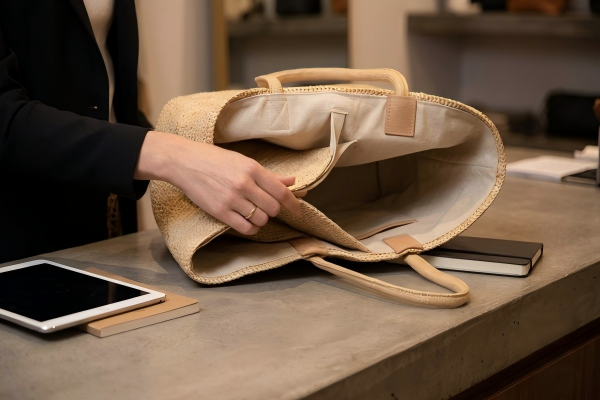
When evaluating a tote for daily corporate use, you must inspect the internal reinforcements. The bag must feature a heavy-duty cotton or canvas drop-lining to distribute interior weight evenly across the entire frame. Look for exterior leather corner reinforcements to protect high-friction areas from fraying, alongside a rigid, hard-bottom insert equipped with metal base studs. Key success metrics for this specific silhouette include handle drop length stability—ensuring the straps do not stretch out of proportion under tension—and a clean, geometric finish that transitions seamlessly from casual resort settings to strict office environments.
The Soft-Sided Raffia Crochet Bag for Casual Utility
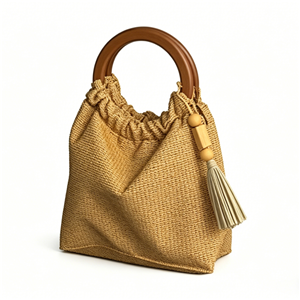
For relaxed weekend wear, the soft-sided raffia crochet bag provides excellent casual utility. These unlined, highly flexible designs offer a comfortable, slouchy aesthetic that conforms naturally to the shape of the body. However, the open-weave nature of crochet introduces specific implementation risks that buyers must understand and mitigate before daily use.
Assess the flexibility of the fiber and the density of the individual knots. Loose crochet gaps pose a significant risk of catching or snagging against delicate clothing, metal zippers, or fine jewelry. Furthermore, without a high-grade interior zipper pouch or a sewn-in fabric lining, you risk losing keys, pens, and smaller cosmetics straight through the woven gaps. Always ensure you utilize secure interior containment pouches before committing to a daily routine with a soft-sided, open-weave design.
Top-Handle & Hard-Case Minaudières for Event Wear
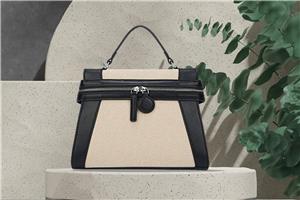
Evening and event wear in 2026 frequently features miniature top-handle bags and rigid hard-case minaudières tightly wrapped in woven palm fibers. These pieces function strictly as highly textured statement items rather than practical carriers. The primary evaluation criterion here is hardware attachment integrity. You must scrutinize exactly how the metal clasps, internal hinges, and heavy chain straps interact with the woven exterior.
Because rigid metal friction can easily split dried natural fibers, these bags require meticulous craftsmanship at all junction points. High-end makers will usually insert a thin strip of leather acting as a buffer between the metal hinge and the organic weave to prevent cutting. Ultimately, these hard-case silhouettes remain best fit for occasional, event-driven use rather than daily wear, as regular handling drastically increases the risk of permanent edge fraying.
Construction Analysis: Hand-Weave Methodologies vs. Mass Production
Why the Authentic Handmade Raffia Bag Drives Premium Pricing
Understanding the strict labor input metrics behind a genuine handmade raffia bag immediately clarifies the premium pricing models. Factory loom processing can extrude, chemically treat, and weave synthetic paper straw by the thousands per day with minimal human intervention. In stark contrast, an authentic hand-knotted piece requires a rigorous, multi-day artisanal process.
A single bag typically requires a 3-to-7 day production timeline. Day one involves manually harvesting and stripping the palm. Day two focuses on sorting the fibers by specific thickness and drying them under the sun. Day three requires organic batch dyeing and setting the color. Days four through six are entirely dedicated to hand-crocheting or weaving the complex structure. Day seven involves attaching the handles, securing the linings, and final quality control. When evaluating high-end pricing, factor in social-economic compliance. Brands partnering with fair-trade certified organizations ensure living wages and ethical working conditions, serving as a highly valid justification for the increased price tag.
Inspecting Raffia Bag Patterns and Stitch Density
The overall longevity of woven accessories relies heavily on absolute stitch consistency. You should routinely perform physical tension testing when examining complex Raffia bag patterns in-store or upon delivery. Run your hands over the surface and gently pull at the primary load-bearing seams. The tension should feel firm and uniform across the entire surface area. Varying tension within the pattern dictates poor load-bearing capacity, inevitably leading to structural memory loss and irreversible stretching over time.
Learn to spot critical manufacturing red flags immediately. Mass-produced variants often use cheap glued seams masquerading as tightly bound woven borders. Over time, environmental heat and humidity will degrade the adhesive, causing the bag panels to separate. Additionally, beware of excessive synthetic clear-coats. While aggressively marketed as advanced waterproofing, heavy plastic lacquers often hide already fraying or split fibers. This creates a brittle outer shell that will eventually crack, flake off, and ruin the bag's appearance entirely.
Total Cost of Ownership (TCO): ROI, Durability, and Lifespan
Leather vs. Raffia: A Value-Retention Comparison
If you treat luxury bags strictly as financial assets, you must realistically assess retail return on investment (ROI). Traditional full-grain leather retains secondary-market resale value far more reliably than any natural plant fiber. Even meticulously maintained woven bags show signs of minor wear, dryness, or slight stretching quicker than premium leather. This dynamic positions high-end woven purchases primarily for daily utility, exclusive design appreciation, and aesthetic pleasure rather than guaranteed financial recoupment on the resale market.
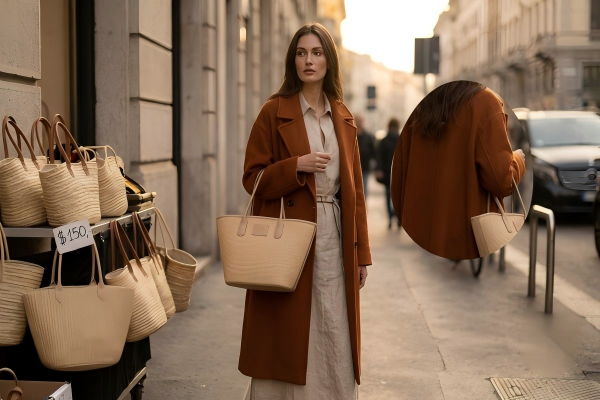
To justify the initial purchase price, apply the "Cost per Wear" (CPW) formula. If you buy a heavily branded woven bag strictly for a short 4-month summer season, the ROI diminishes rapidly. However, the 2026 trend heavily standardizes year-round styled usage. By pairing a dark, leather-trimmed woven tote with autumnal wool coats or spring trench coats, you drastically increase the wear frequency. A $1,200 bag worn 120 times yields a CPW of $10, making the initial investment highly cost-effective compared to a cheap $200 synthetic bag that breaks after 10 uses.
Longevity Risks and Preventative Maintenance Requirements
Despite being a remarkably resilient natural fiber, palm fronds possess inherent longevity risks requiring active, ongoing preventative maintenance. Overlooking these care requirements directly inflates your total cost of ownership by forcing premature replacements.
Sun Baking and UV Degradation: Prolonged exposure to direct ultraviolet light severely bleaches natural organic dyes. It also depletes the fiber's inherent biological resins, causing irreversible dryness and brittleness. Always store the piece away from direct window sunlight.
Moisture and Humidity Damage: Sudden heavy rain exposure or prolonged storage in high-humidity environments can cause mold growth, severe color-bleeding, or dramatic shape-distortion as the porous fibers swell and warp unevenly.
Maintenance Mitigation Strategies: You must factor in the ongoing effort of physical maintenance. You need breathable, humidity-controlled cotton dustbags for off-season closet storage. The attached leather trims require routine cream conditioning to prevent them from drying out, stiffening, and pulling against the woven fiber. Finally, if the bag loses its geometric shape after a long trip, you may need to utilize professional handbag reshaping services or carefully steam-block it at home using a low-heat garment steamer.
The 2026 Buying Matrix: How to Shortlist and Decide
Setting the Right Success Criteria for Your Purchase
Before executing a final purchase, clearly determine your acceptable structural thresholds and primary lifestyle goals. Different daily routines demand entirely different material profiles. Are you strictly prioritizing purely vegan construction? If so, you must accept that you cannot rely on heavy leather base reinforcements, requiring you to carry significantly lighter loads to prevent bottom sagging. Are you focused primarily on sustainable supply chains? You must actively prioritize brands bearing transparent ethical artisan certifications on their tags.
Alternatively, if high-luxury aesthetic branding is your primary goal, ensure the metal logo hardware is permanently secured through the weave and backed by a lifetime repair warranty. If heavy-duty volume utility is your main driver for a daily office commute, your success criteria must demand thick canvas drop-linings, wide shoulder straps that disperse weight, and a solid structural base insert.
Sourcing and Warranty Checklist
Use a strict, uncompromising checklist when finalizing your retailer choice. First, ensure the seller provides distinct, highly transparent material labeling. The product description should explicitly specify "100% genuine Madagascar raffia" or "pure natural palm fiber." Immediately disqualify any products vaguely labeled as "paper straw blend," "viscose weave," "cellulose," or "woven plant fiber."
| Checklist Item | Ideal Pass Criteria | Immediate Failure Criteria |
|---|---|---|
| Material Transparency | Lists exact botanical origin and harvesting location. | Uses vague marketing terms like "woven material." |
| Hardware Warranty | Offers free replacement for tarnished or broken clasps. | No hardware coverage post-purchase. |
| Structural Repair Policy | Provides restitching for high-tension handle points. | Strict 30-day return window with no long-term repair support. |
| Lining Quality | Features heavy canvas or cotton twill to absorb weight. | Unlined base on a bag designed for heavy laptop transport. |
Verify the specific repair warranties. Because high-tension points on handles bear the absolute brunt of daily use, even the best woven attachments can eventually weaken. Determine whether the luxury house or direct-to-consumer brand offers structural restitching policies. A brand that openly stands behind the long-term durability of its natural fibers with an accessible repair program provides infinitely more value than one offering a strict, brief return window.
Conclusion
Verify Retailer Return Policies: Check the specific terms and conditions regarding unwoven snags or fiber splitting immediately upon delivery before removing any tags.
Inspect Interior Construction: Examine all interior product photos closely to confirm the presence of heavy drop-linings, structural base inserts, or secure zipper compartments for daily utility.
Establish a Maintenance Plan: Research local leather workers and handbag cobblers who actively specialize in natural fiber reshaping and trim conditioning for your off-season maintenance.
Calculate Your Cost Per Wear: Run the mathematical CPW formula based on your intended year-round usage to justify the required budget for premium leather-trimmed artisanal craftsmanship.
FAQ
Q: What is a raffia bag made of vs. a straw bag?
A: A genuine raffia bag is woven from the flexible membrane of the Raphia farinifera palm leaf, which contains natural resins allowing it to bend without breaking. A straw bag is typically woven from cheap agricultural byproducts like dried wheat stalks or synthetic paper, which are hollow, stiff, and prone to snapping under tension.
Q: Is a true raffia bag waterproof?
A: No, it is not waterproof. True palm fibers possess light, natural water resistance due to organic resins, allowing them to survive a brief drizzle. However, full submersion or heavy rain will cause catastrophic fiber swelling, structural distortion, and rapid dye bleeding.
Q: Are raffia bags durable enough for heavy items like laptops?
A: They are only durable enough if specifically engineered for heavy loads. To safely carry a laptop, the bag must feature internal canvas drop-linings to distribute weight, rigid base inserts to prevent bottom dropping, and leather-reinforced handle attachments to stop the woven fibers from snapping.
Q: How do you fix a snag in a handmade raffia bag?
A: Never cut a snagged fiber, as this will cause the entire woven row to unravel. Instead, mitigate the risk by using a blunt tapestry needle to gently push and weave the loose strand back into the interior of the bag, securing it safely out of sight.
Q: Why are luxury brand raffia crochet bags so expensive?
A: Luxury pricing involves a significant brand tax, but also accounts for European import costs, the integration of premium calfskin trims and custom brass hardware, rigorous quality control, and localized artisan wages if the brand utilizes fair-trade labor cooperatives.
Q: Can you wash a raffia tote bag?
A: You must absolutely never machine wash a woven tote bag. Submerging the bag will destroy its structural integrity. Instead, perform spot cleaning by gently dabbing stains with a slightly damp, colorfast microfiber cloth, allowing it to air dry away from direct sunlight.